We thought Dark Energy was constant, but new results from DESI say maybe not, and if it wasn’t the Hubble Tension would be easier to solve.
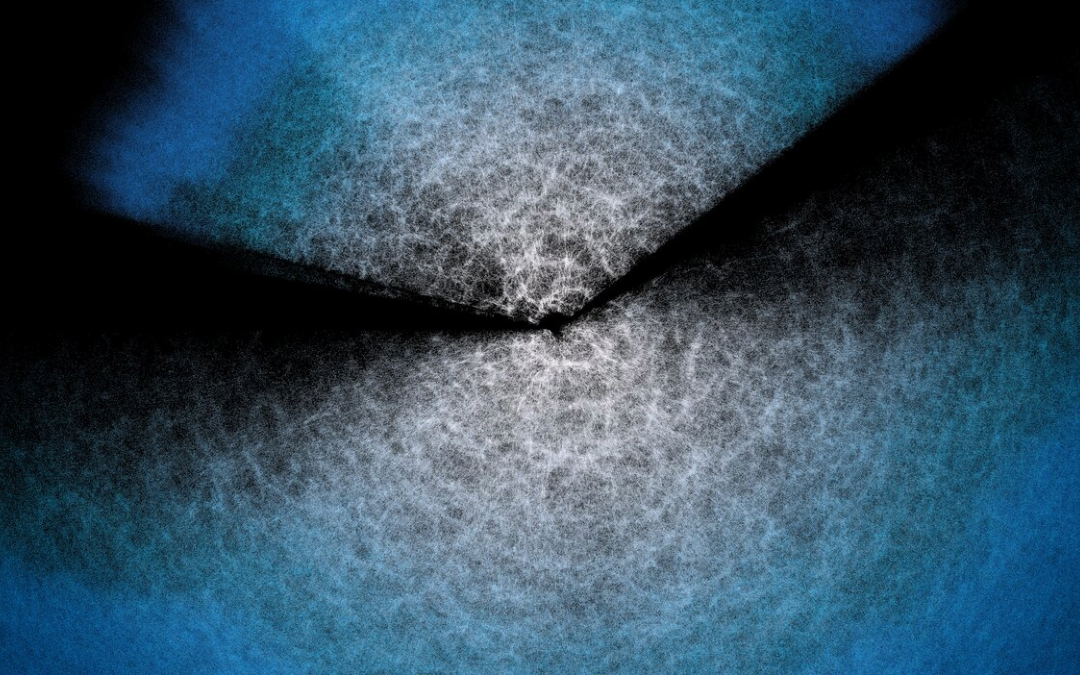

We thought Dark Energy was constant, but new results from DESI say maybe not, and if it wasn’t the Hubble Tension would be easier to solve.
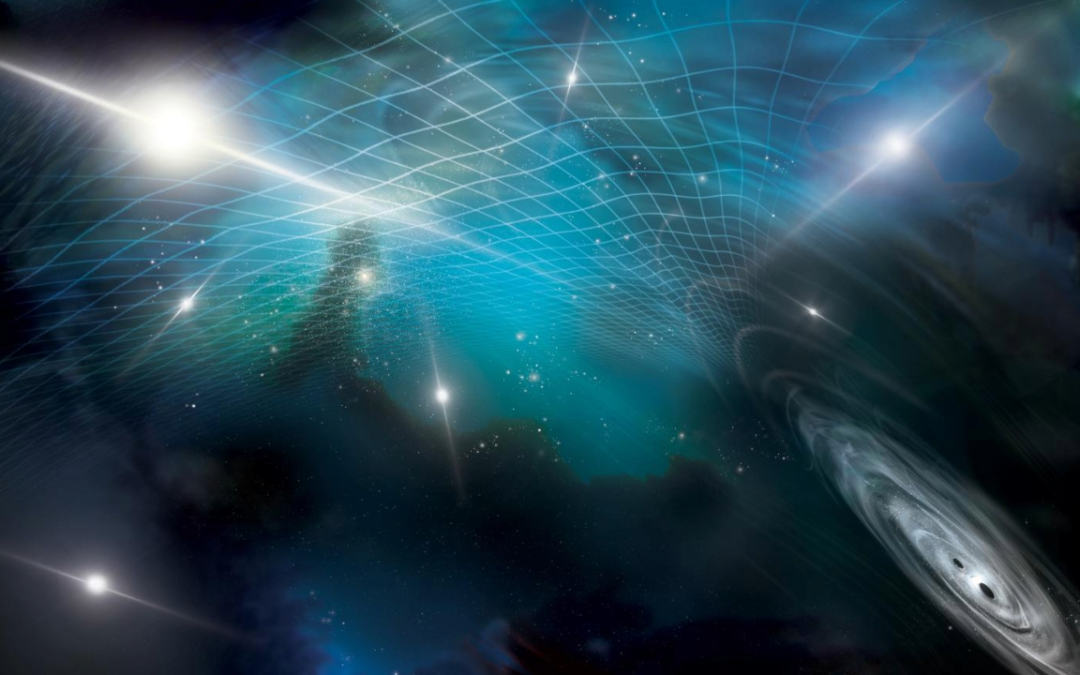
Sure, the masses of merging black holes are nice to know, but what else can we learn from gravitational black holes?
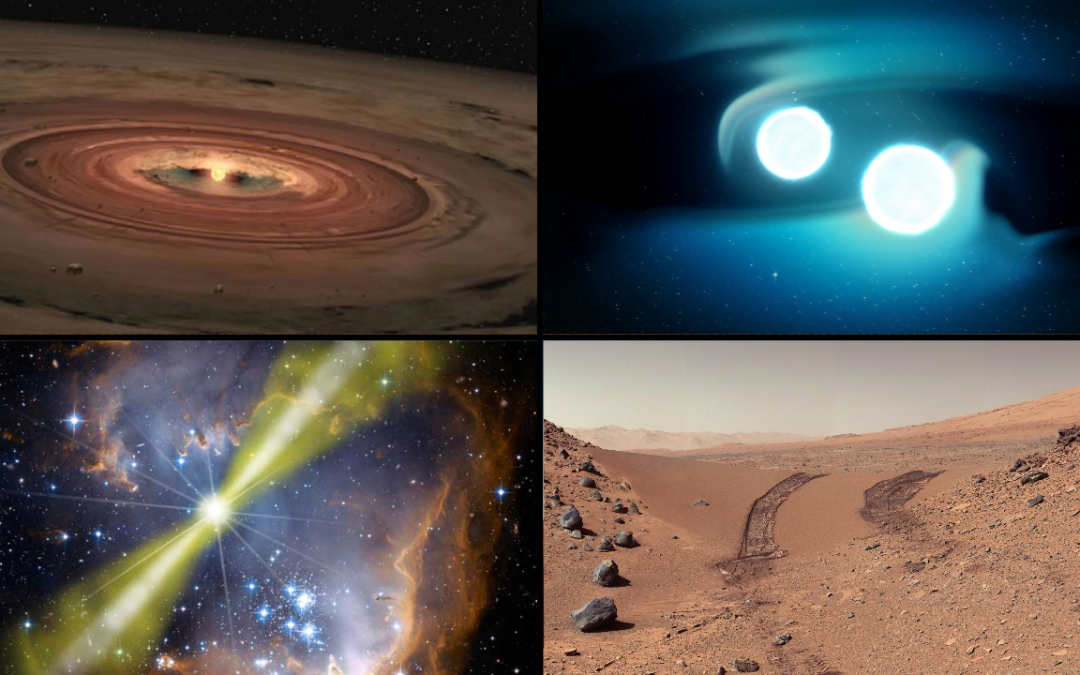
Astronomers talk about all the amazing discoveries they’re making but sometimes, it turns out, they were wrong. After decades and centuries of discoveries, how have they changed their minds?
How the time flies. It’s been over a year since JWST went operational, with other missions joining the fun. What new insights have we gained about the Universe thanks to these powerful new tools?
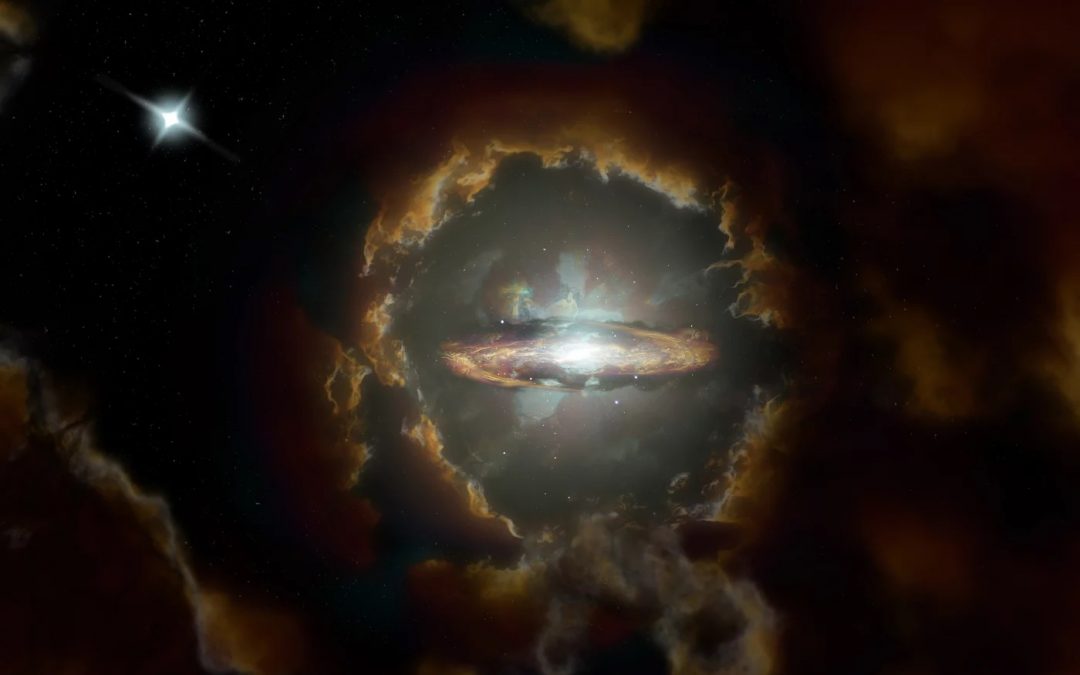
One of JWST’s top jobs is to peer deeper into the Universe than ever before, watching as the first galaxies came together. Surprisingly, astronomers found galaxies that seemed much more mature than expected, much earlier than it was believed possible. What’s going on and what does it mean for cosmology?
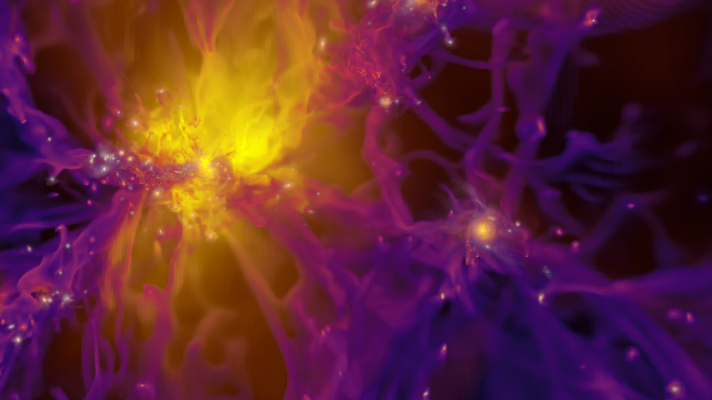
After the cosmic microwave background radiation was released, the Universe returned to darkness, cloaked in this clouds of primordial hydrogen and helium. Gravity pulled these vast clouds into the first stars, and then the first galaxies. This is Cosmic Dawn, and JWST will help us probe this mysterious time.
It’s been over 20 years since astronomers first discovered that the expansion of the Universe is accelerating thanks to dark energy. And in these decades, astronomers still don’t have much evidence for what could be causing the increased expansion rate. Maybe there’s something else going on to explain it.
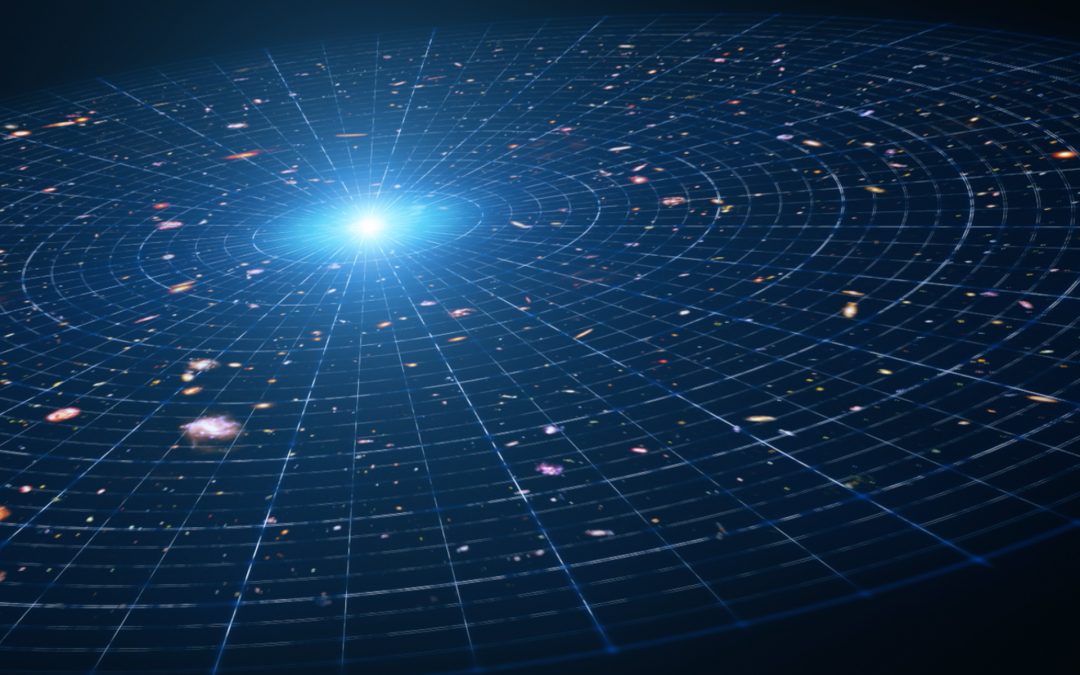
Astronomers have made extremely accurate measurements of the expansion rate of the Universe and come up with different results. And the error bars for the observations don’t overlap, so there’s something strange going on. What’s the answer and how can the Crisis in Cosmology be resolved?
Astronomers came together in January to present their newest research, and not surprisingly, the Winter AAS meeting was heavy on news from JWST. What were some of the new results that were announced?
The Cosmic Microwave Background Radiation tells us so much about the Universe. After that era, the Universe went dark. Then, as gas pulled together into the first stars and eventually galaxies, light returned, beginning the Age of Reionization.
The Sun is a third generation star, polluted with the metals from long dead stars. Astronomers have also discovered second generation stars, with very low metallicity. But theories suggest there must be a first generation, with stars made from only pure hydrogen and helium. Can we ever find them?
Knowledge moves forward, and so, we must move with it. Today we’ll give you an update on some of the most fascinating, and fast-changing topics in astronomy, astrophysics and cosmology.
We’ve reached the end of 2021, and this is the last episode of the year. Let’s look back at the big space events of the last year and talk about what we’re looking forward to in 2022.

Have you ever wanted to be a time traveler? Good news! You’re time traveling right now. Into the future at one second per second. Too long? Don’t want to wait? Good news, Einstein’s got you covered. Today, let’s talk about the weird world of time dilation.
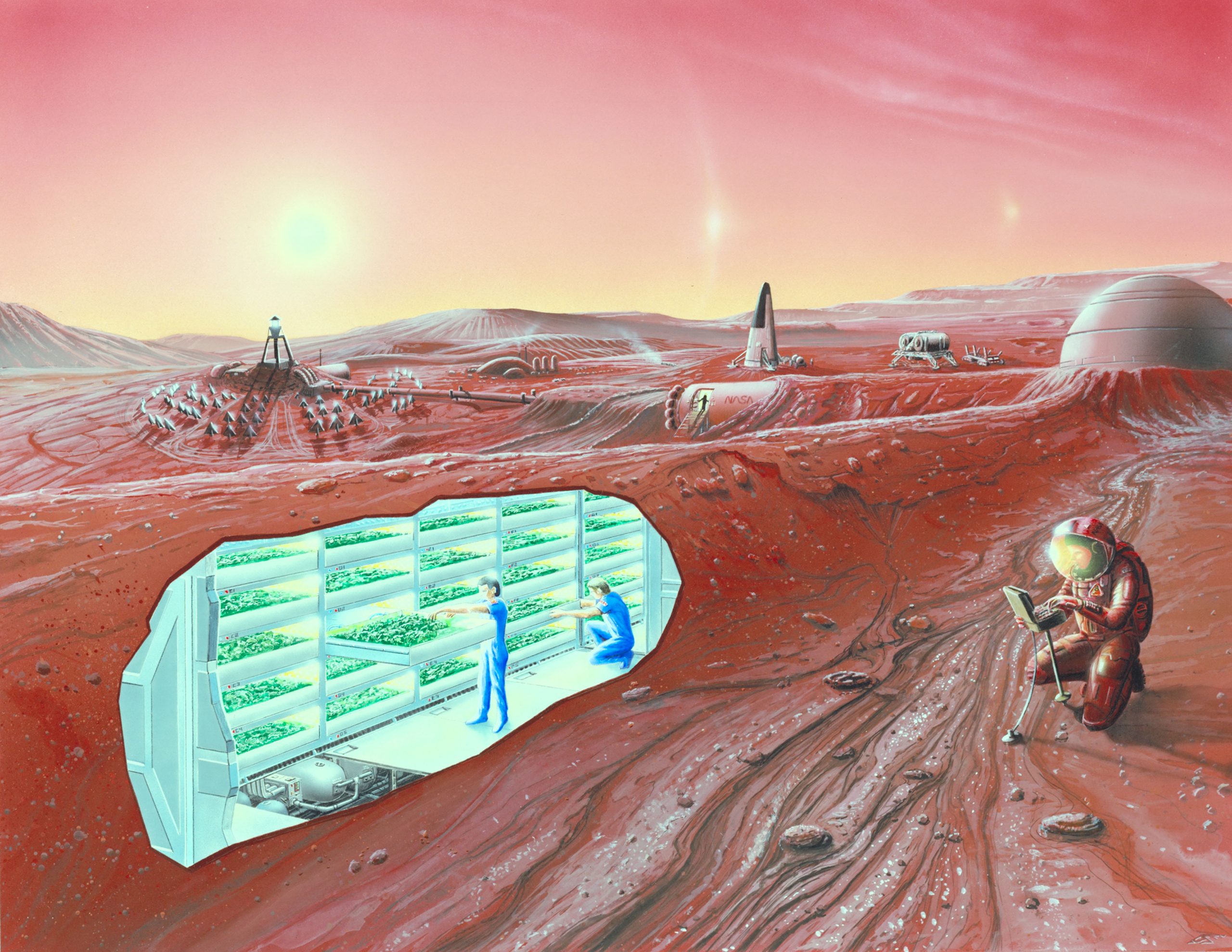
Today, we gaze into the future of space and astronomy. What upcoming missions and events are we excited about?
You’ve probably heard of dark matter and dark energy, but maybe you don’t fully understand what they are. Or maybe the idea itself just rubs you the wrong way and you’d like to know why scientists think they can just make stuff up like this. So you’d like to overturn cosmology? Here’s all you need to do.
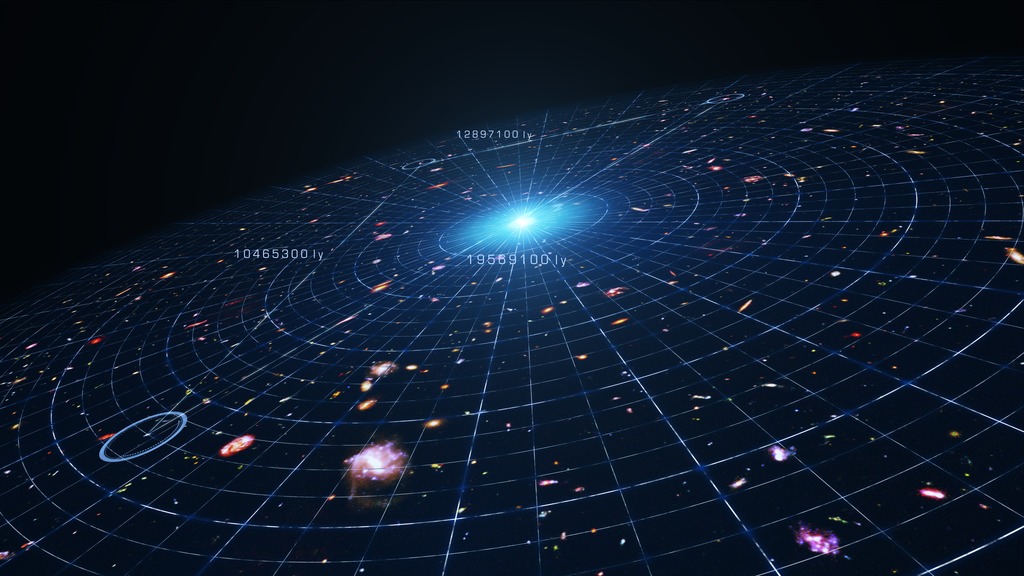
It’s been a while since we checked to make sure the Universe was still expanding. Yeah, apparently, that’s still a thing. But in the last few years powerful new telescopes and expansive surveys have given us much more knowledge about what’s happening.
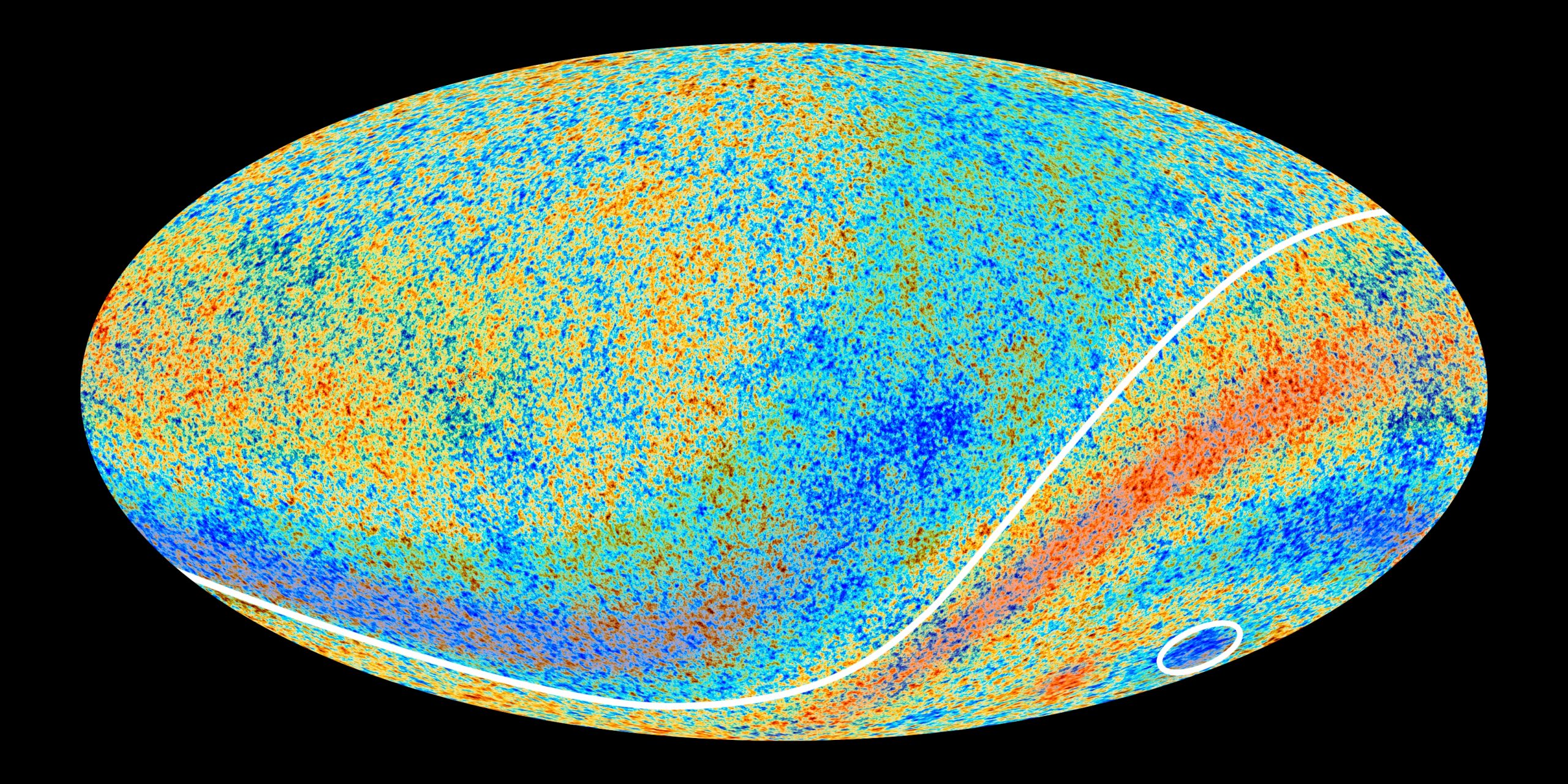
You might be familiar with the cosmic microwave background, but that’s just one of the background radiations astronomers look at. Some are well known and cataloged, while others are just starting to be possible to see. All of them tell us more about our Universe.

This year’s Nobel Prize in Physics was awarded to three brilliant researchers who worked out some of the secrets of black holes. Today we’re going to talk about the chain of discoveries that led to this award.
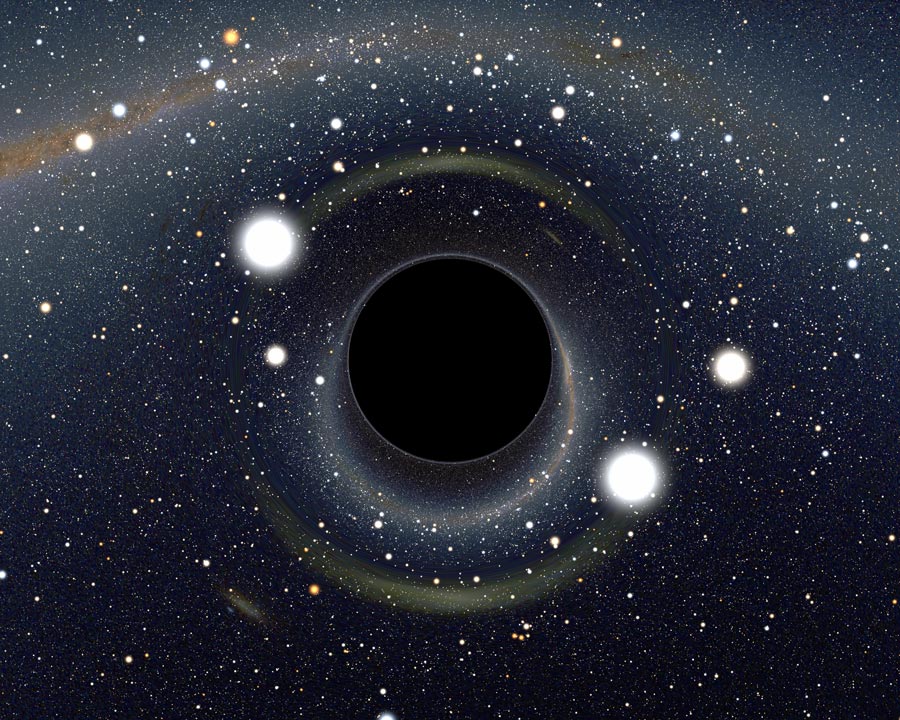
Did you hear the news? Nobel Prizes for black holes. We know there are stellar mass black holes and supermassive black holes, but how do you get from one to the other? How do black holes get more massive?
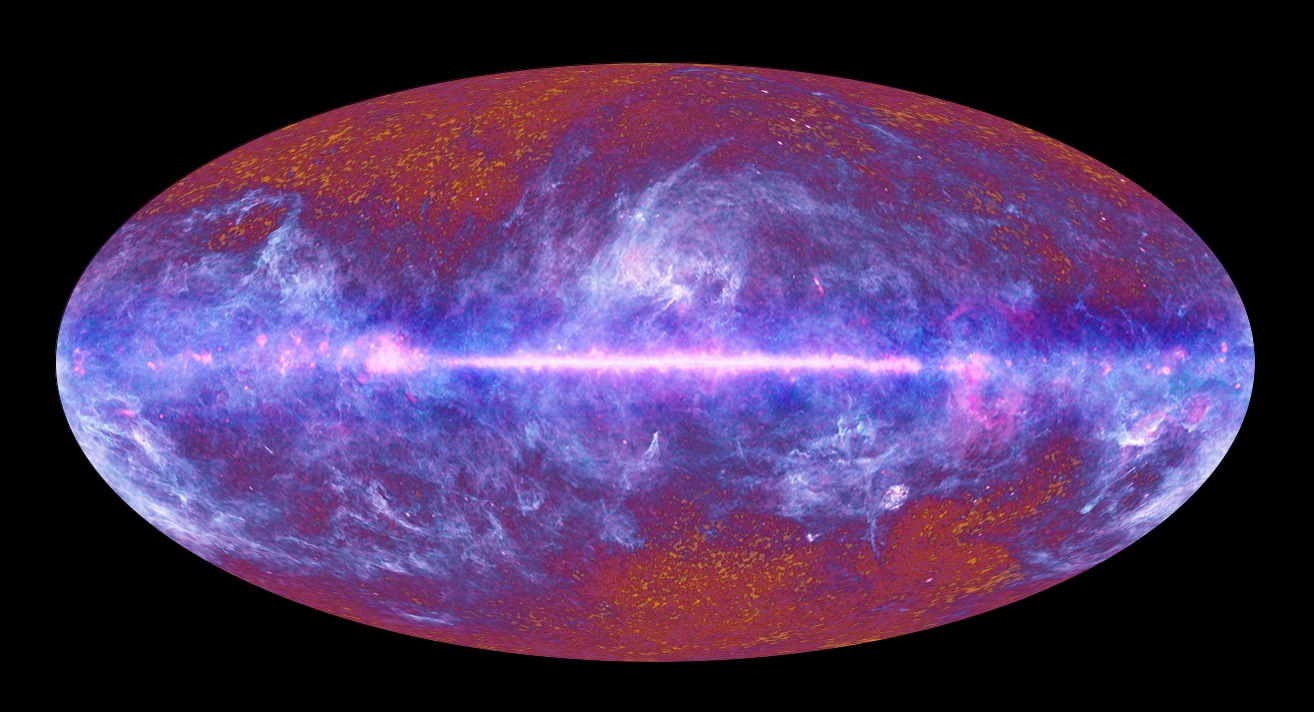
The Cosmic Microwave Background Radiation is the earliest moment in the Universe that we can see with our telescopes, just a few hundred thousand years after the Big Bang itself. What will it take for us to be able to fill in the missing gap? To see closer to the beginning of time itself?
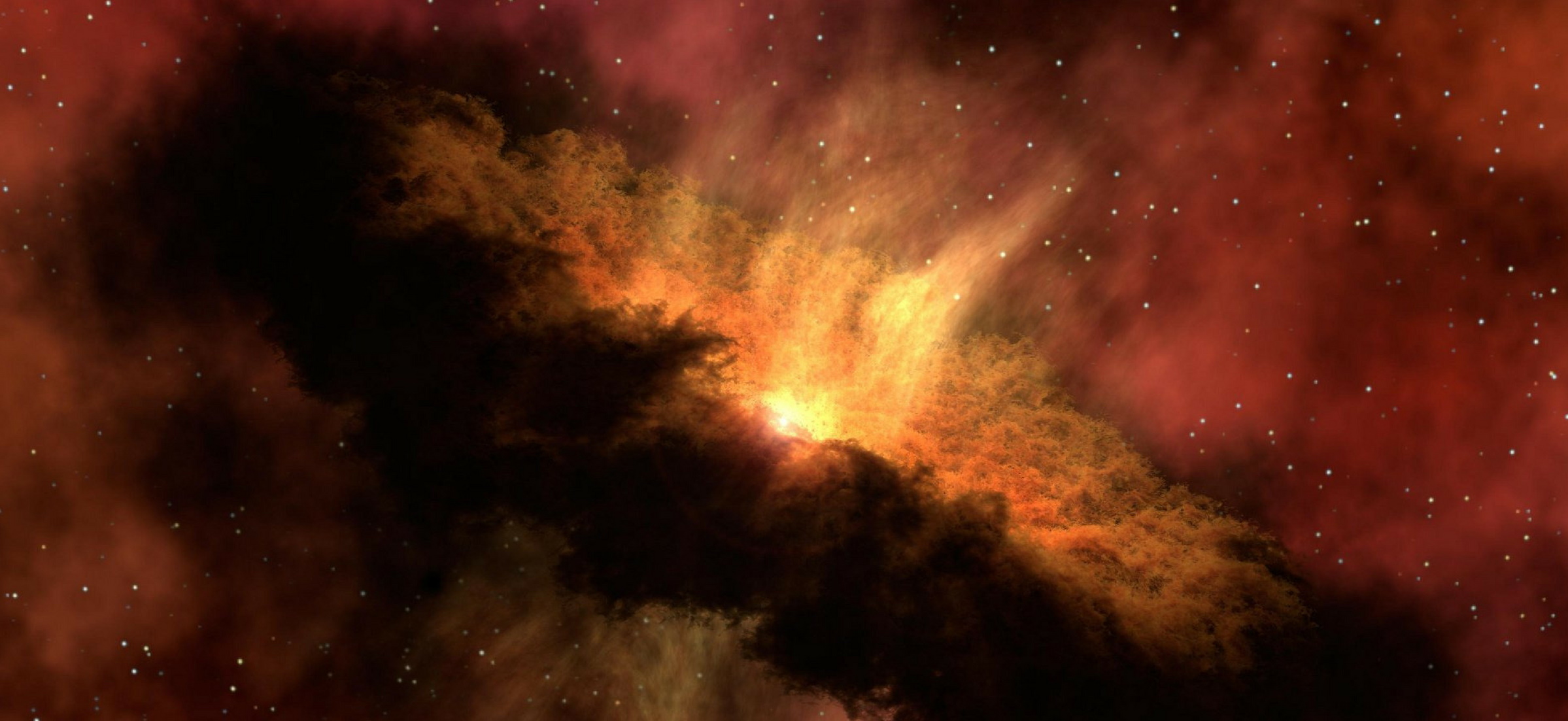
Powerful observatories like Hubble and the Very Large Telescope have pushed our vision billions of light-years into the Universe, allowing us to see further and further back in time. But there are regions which we still haven’t seen: the Cosmic Dark Ages. What’s it going to take to observe some of these earliest moments in the Universe?
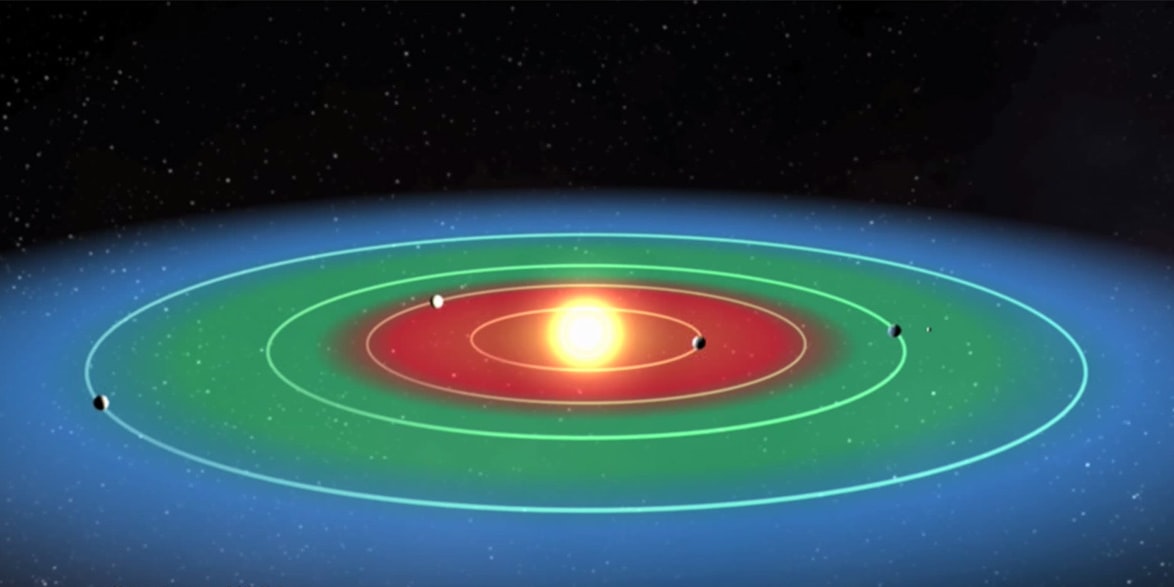
Our series on Universe weirdness marches on. This week we take a look at the habitable zone, and how things aren’t as simple as we thought.
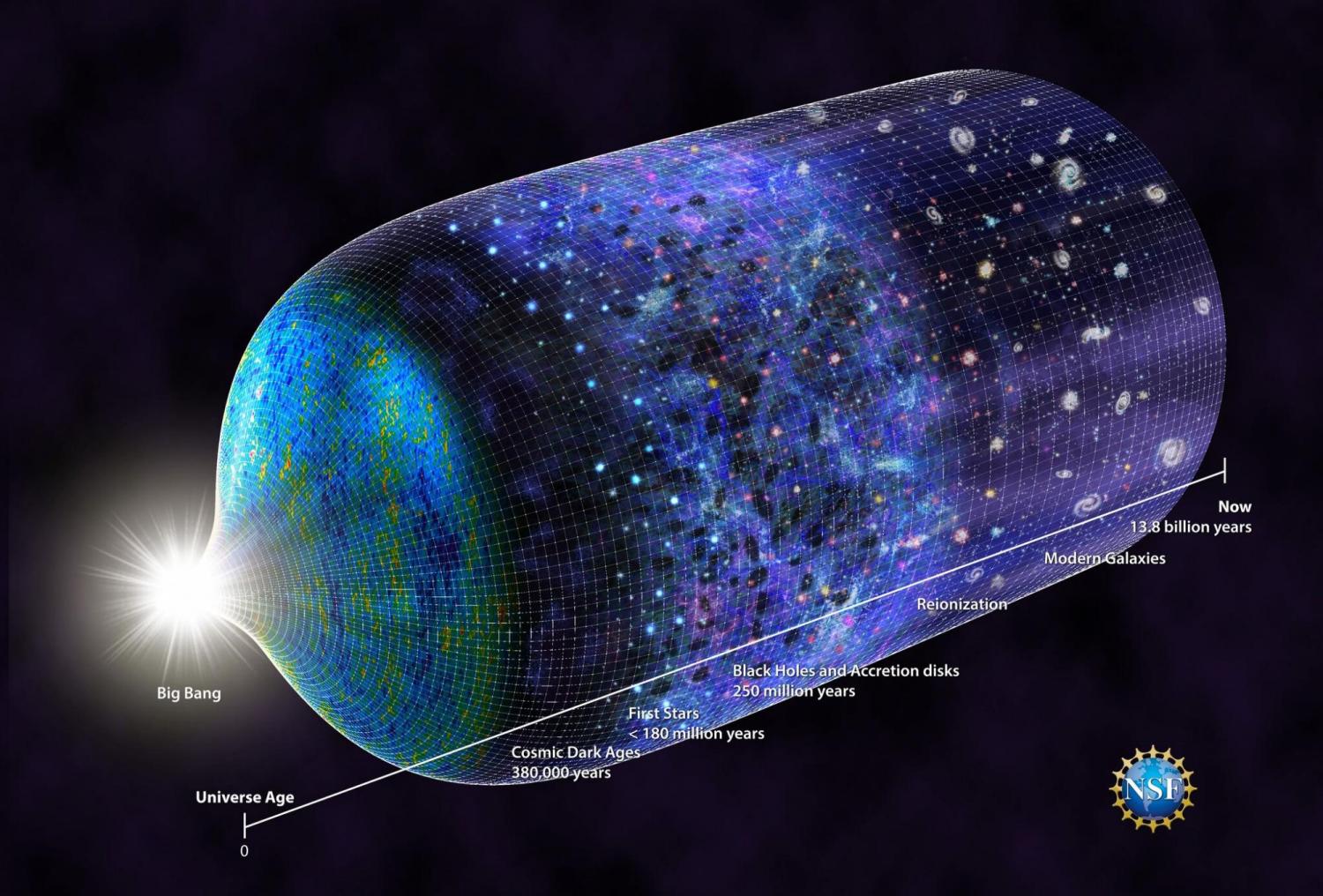
Our series on Universe weirdness continues, this time we learn how astronomers are struggling to make sense of the age of the Universe.
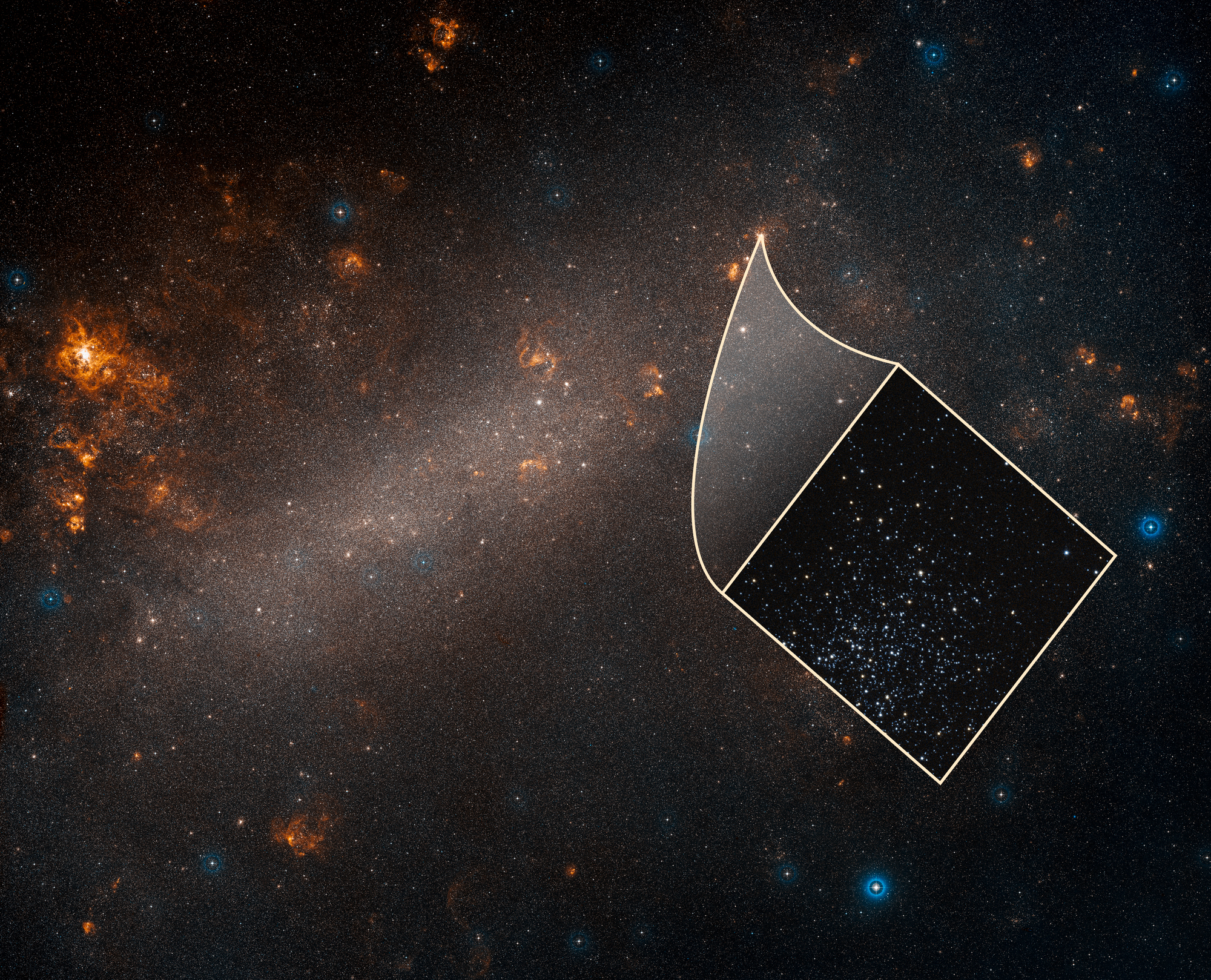
Just when the Universe was starting to make sense, the cosmos throws a curveball at us. Astronomers have been trying to accurately measure the expansion rate of the Universe as far back as Hubble. It’s been tough to nail down, and now astronomers are starting to figure out why.