We are on the verge of sending humans back to the Moon. At the same time others prefer we focus our exploration on Mars. It’s a tough choice.
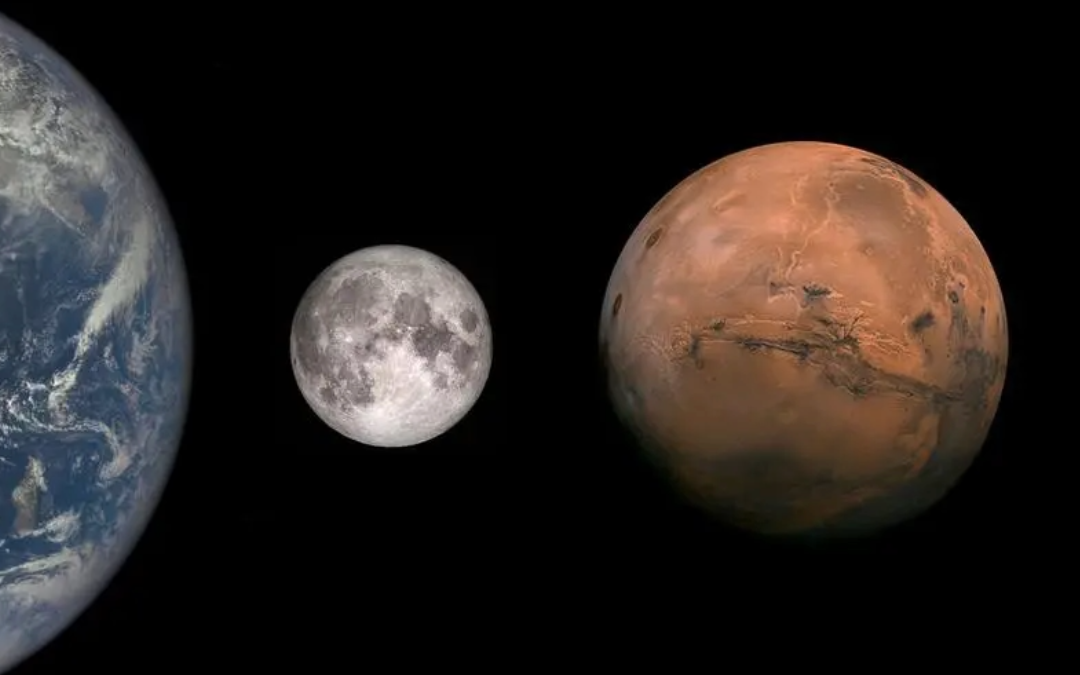

We are on the verge of sending humans back to the Moon. At the same time others prefer we focus our exploration on Mars. It’s a tough choice.
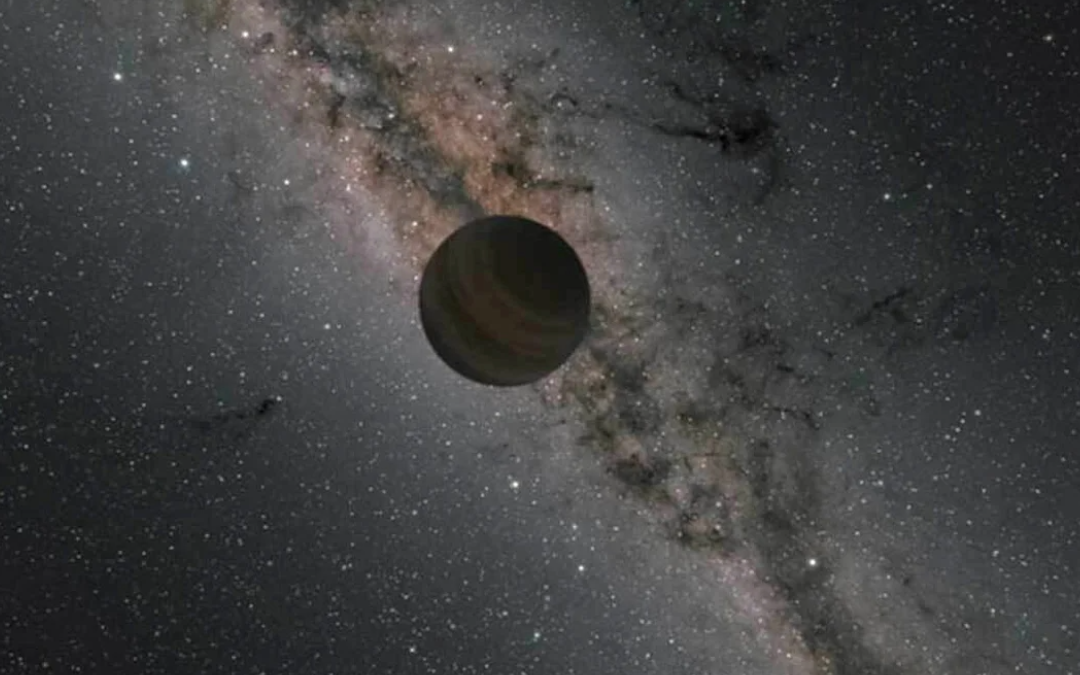
Most planets orbit stars. That’s the rule, right? Sometimes planets just go rogue. Let’s learn about planets living free from stars.
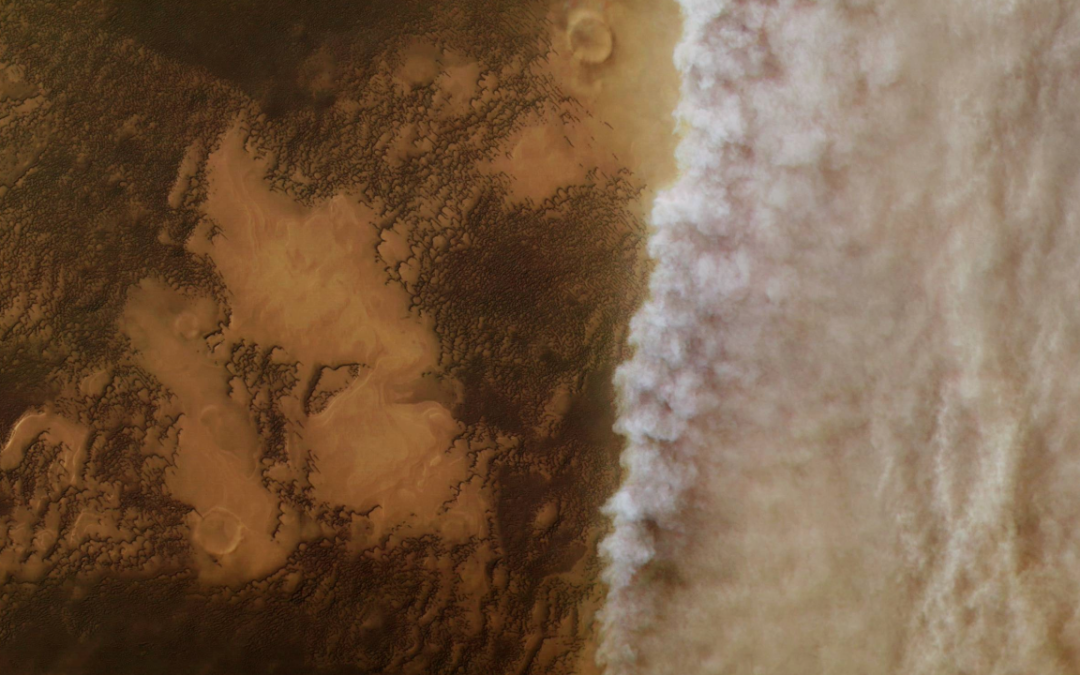
What causes these storms and how do they work differently on the worlds in the solar system. But what about the exoplanets?
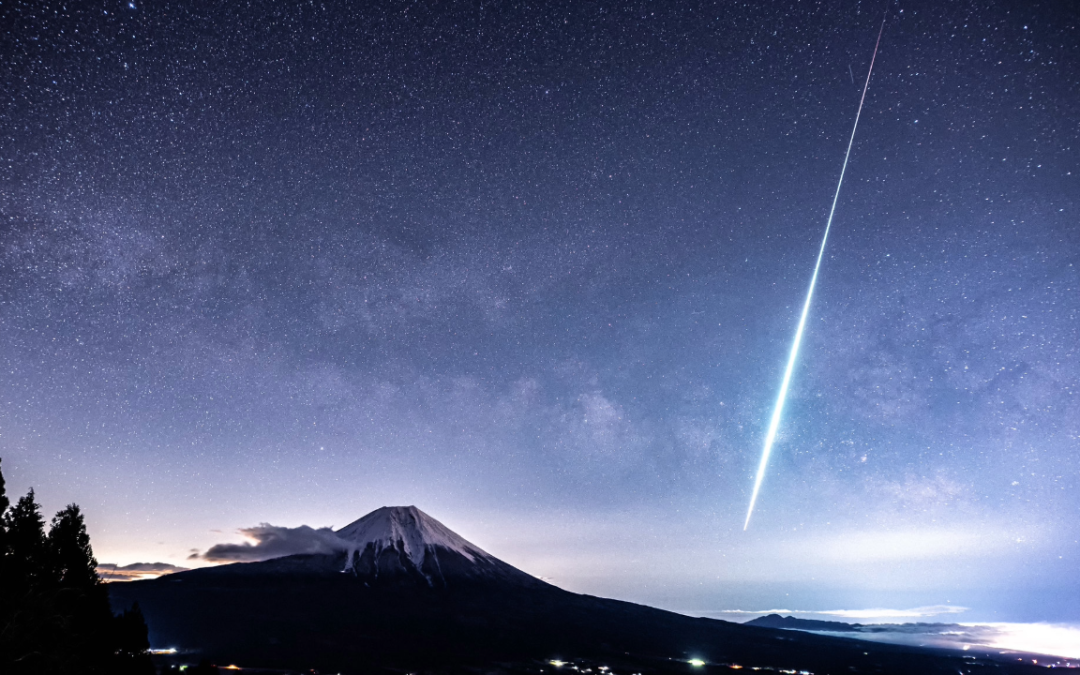
New asteroids are found every day, and every day we learn that those asteroids don’t have any murderous intentions. But how do we learn that?
What time is it on the Moon? The Moon orbits the Earth, so it doesn’t fall into a specific time zone. It’s time to introduce Lunar Time.
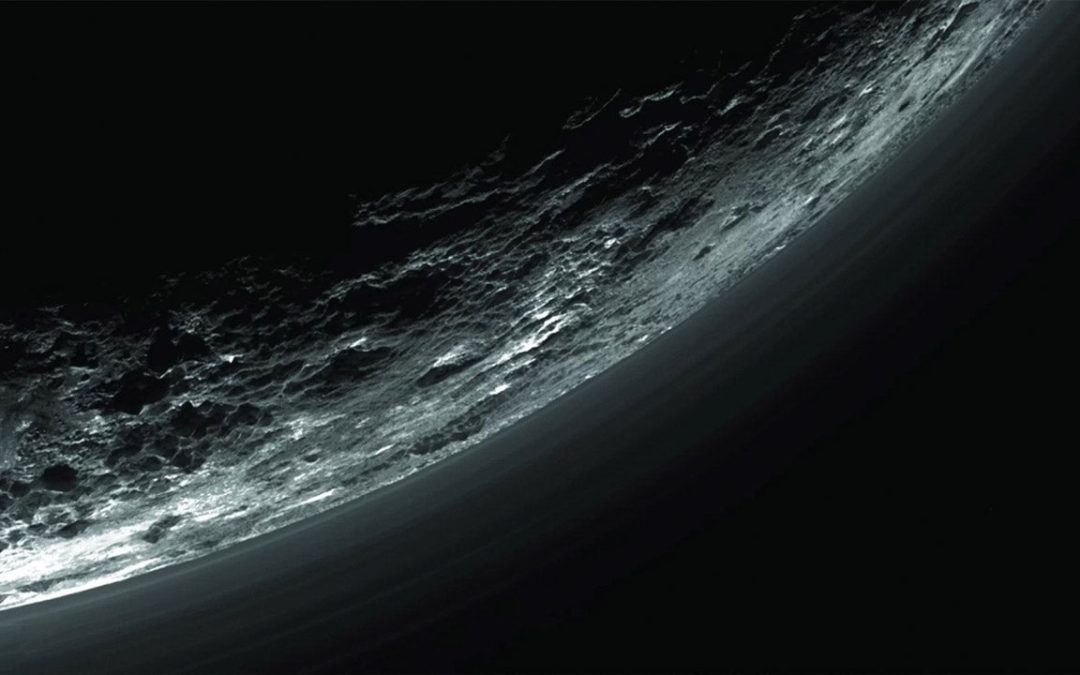
Gravity Waves … not gravitational waves … move atmospheres and make pretty clouds.
2024 was a strange year! But, for space and astronomy we had some interesting, revolutionary, unsettling and downright weird stories pop up. Today let’s talk about them.
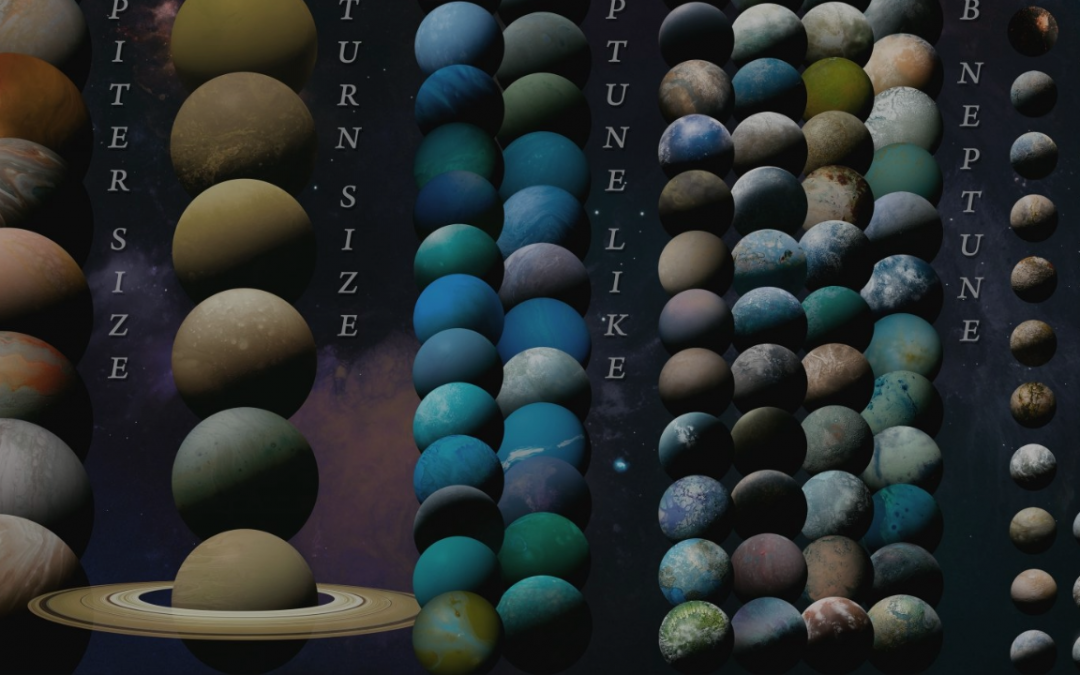
Astronomers have discovered thousands of exoplanets, revealing entirely new types of worlds that we don’t have in the Solar System. It is enough to start getting a rough sense of what kinds of planets are out there. What’s the big picture? Show Notes Our World in Data...
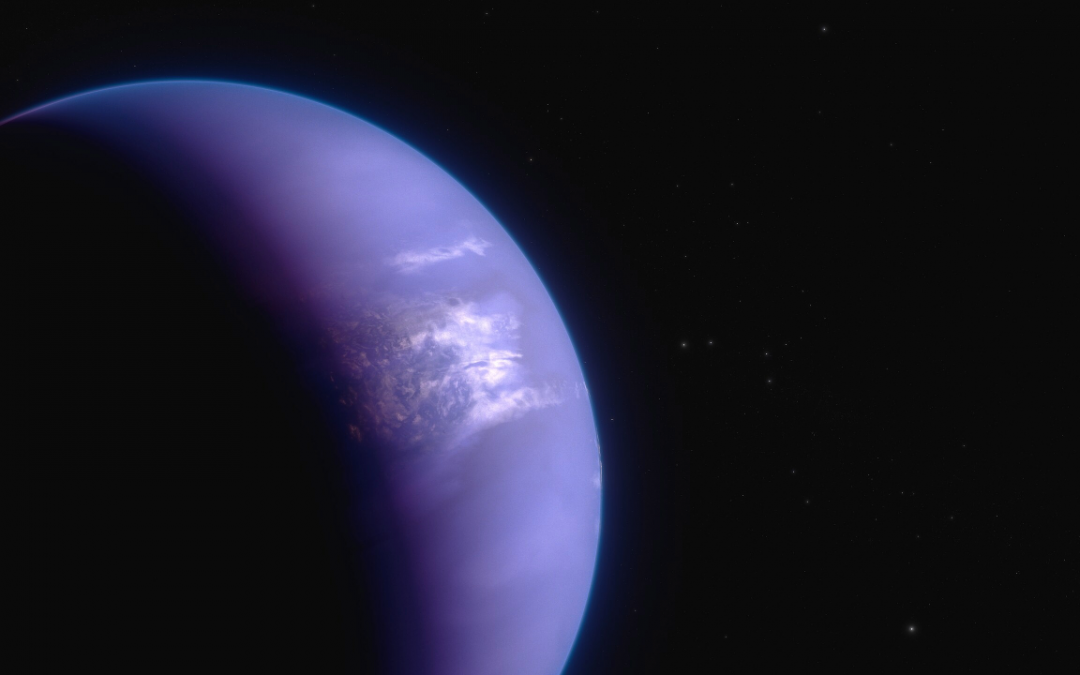
Here’s a familiar question: how’s the weather? We’re familiar with the weather on Earth and telescopes and missions are watching the weather on other planets in the Solar System. But for the first time in history, astronomers can now answer that question for...
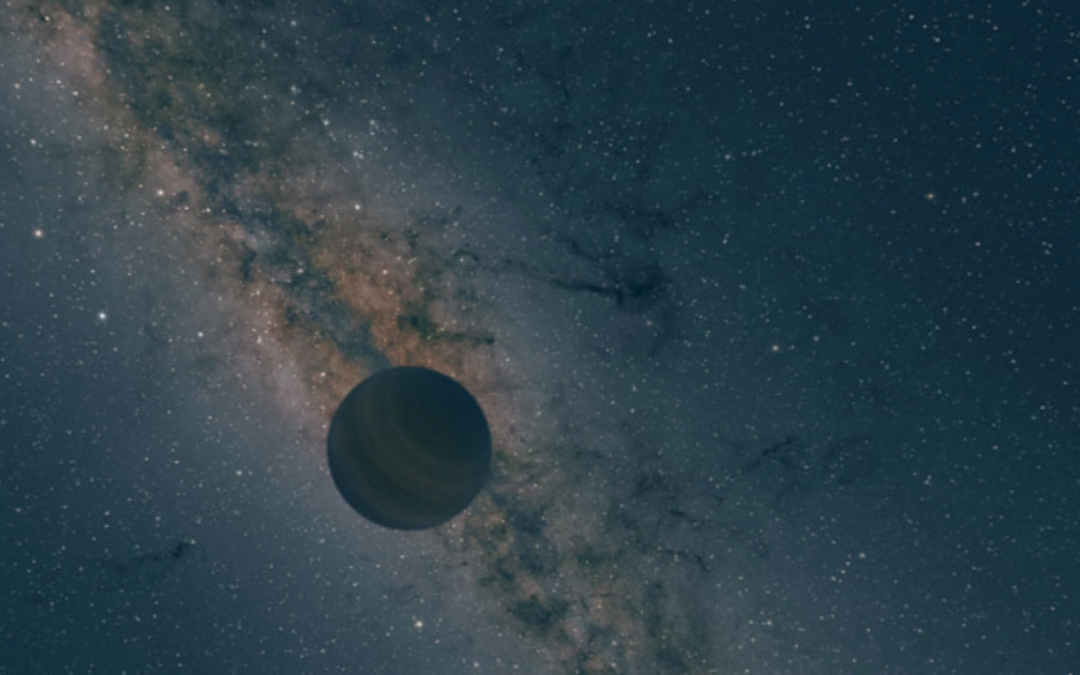
Most of the exoplanets we’ve found are around stars, where they belong. But a few have been found free-floating in interstellar space. The evidence is growing that there are a lot of them out there, maybe even more than planets with stars. How do they form and how can...
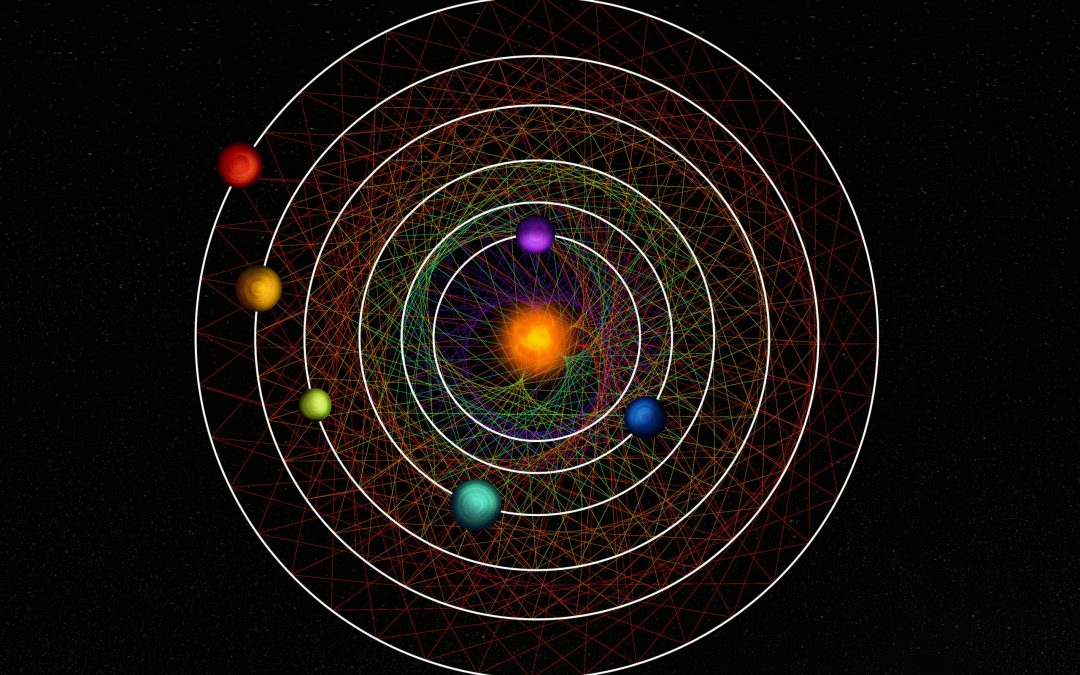
Several of the planets and moons in the Solar System are in orbital resonance, orbiting in a geometric lockstep. And not just the Solar System, astronomers have found the same resonances in other star systems.
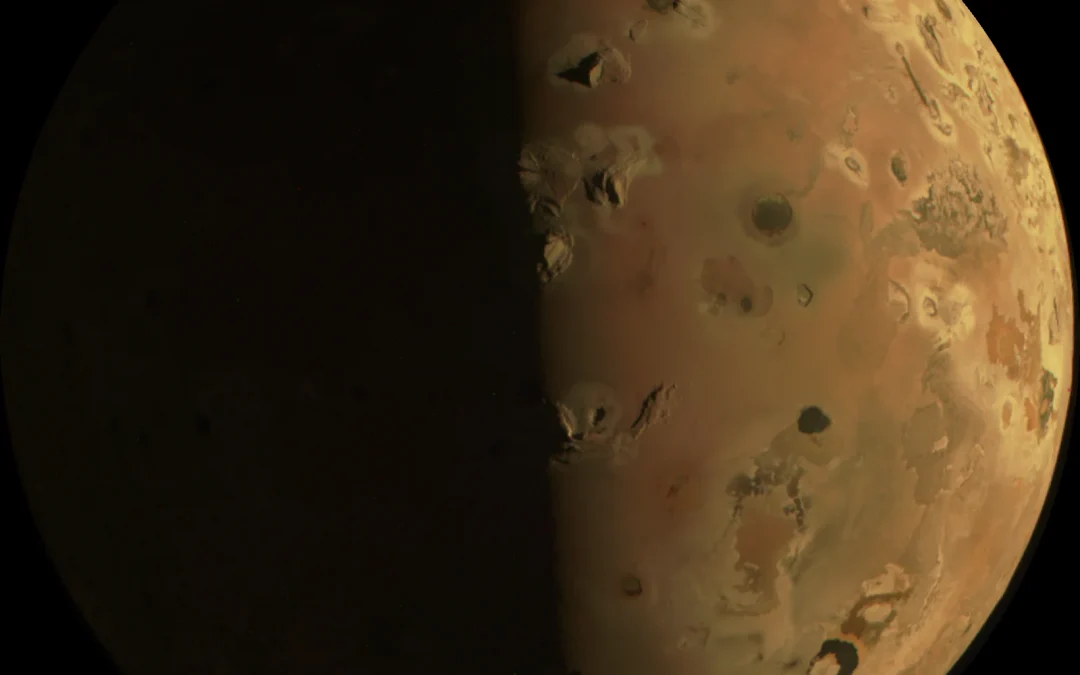
Last week was one of the most exciting meetings we’ve seen from the Lunar and Planetary Science Conference, with hundreds of announcements and discoveries from various missions. One theme kept coming up, the Solar System is more volcanically active than we thought. Today, we’ll explore volcanism on other worlds.
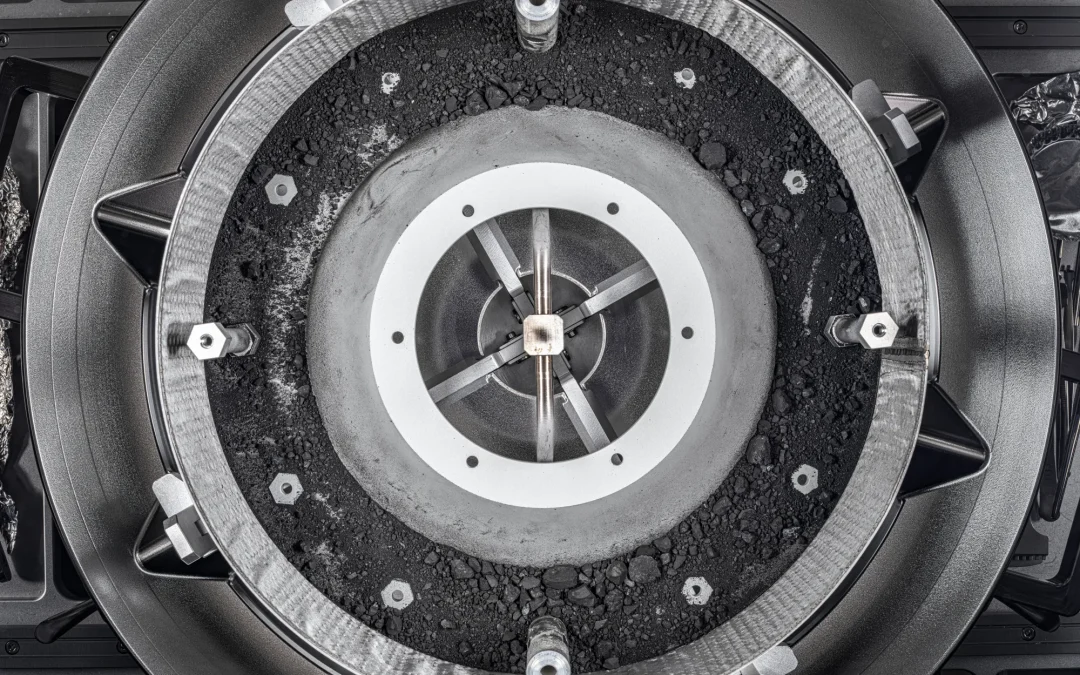
Last week we talked about sample return missions from the Moon and Mars, but scientists have retrieved samples from other objects in the Solar System, including comets and asteroids. What does it take to return a piece of rock from space, and what have we learned so far?

We’ve sent robots to other worlds, but the amount of science we can deploy to another planet can’t compare with the vast science labs we have on Earth. That’s why more and more missions are for a sample return, bringing pieces of alien worlds back to Earth, were we study them with proper equipment.
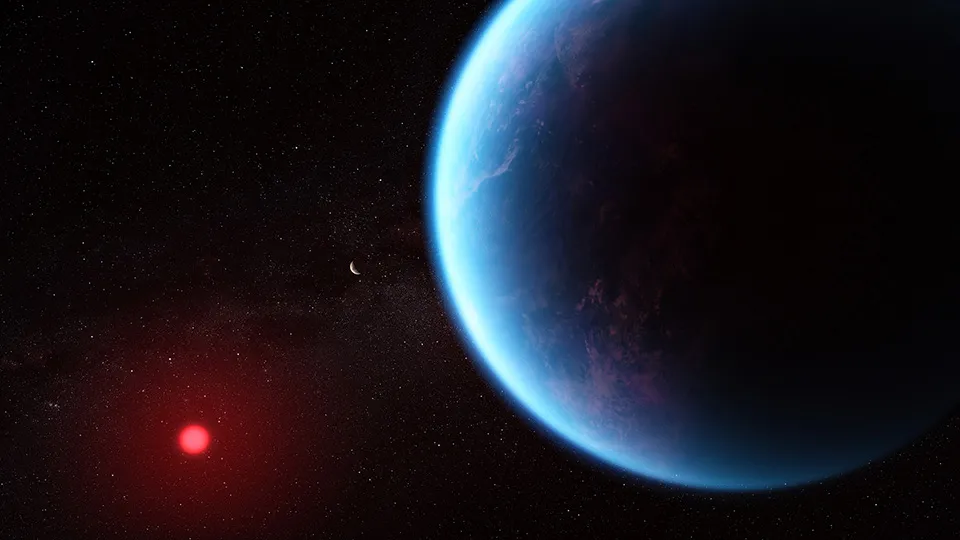
Wherever we find liquid water on Earth, we find life, so it makes sense to search for water across the Universe, and hopefully we can find evidence of life. But what about worlds which are completely covered in water, oceans hundreds of kilometers deep. Can there be too much water?
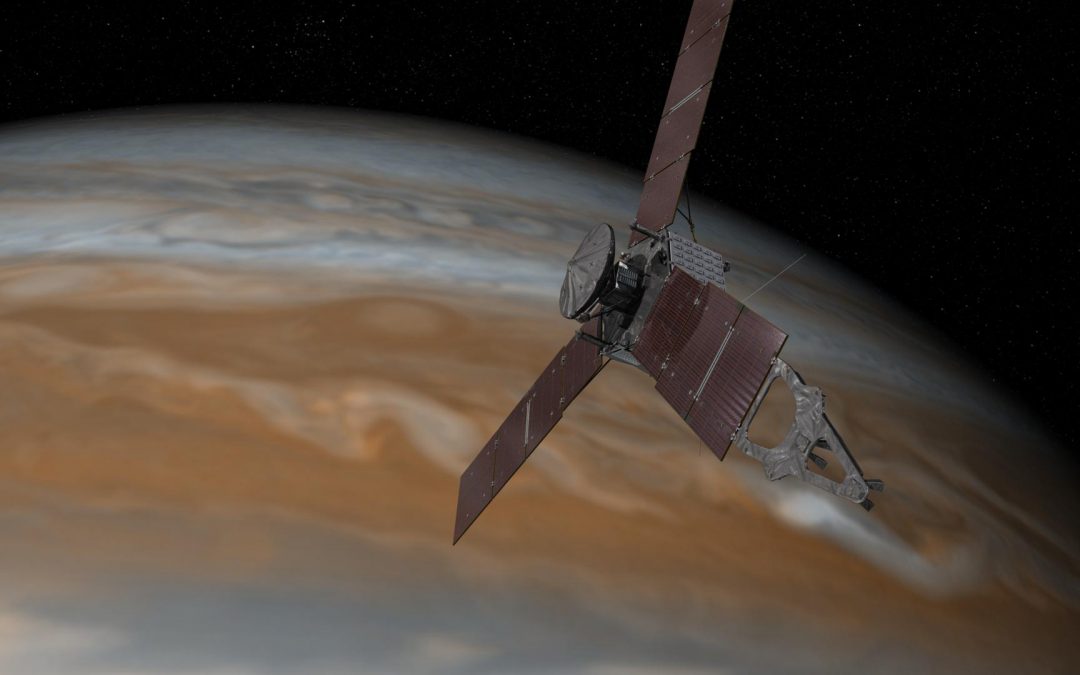
NASA’s Juno spacecraft has completed dozens of flybys of Jupiter, seeing the planet from many angles and delivering some of the most beautiful images we’ve ever seen of the Jovian world. Now it’s focusing in on Io, sending home images of the tiny volcanic world from just 1,500 km away. And the best is yet to come.
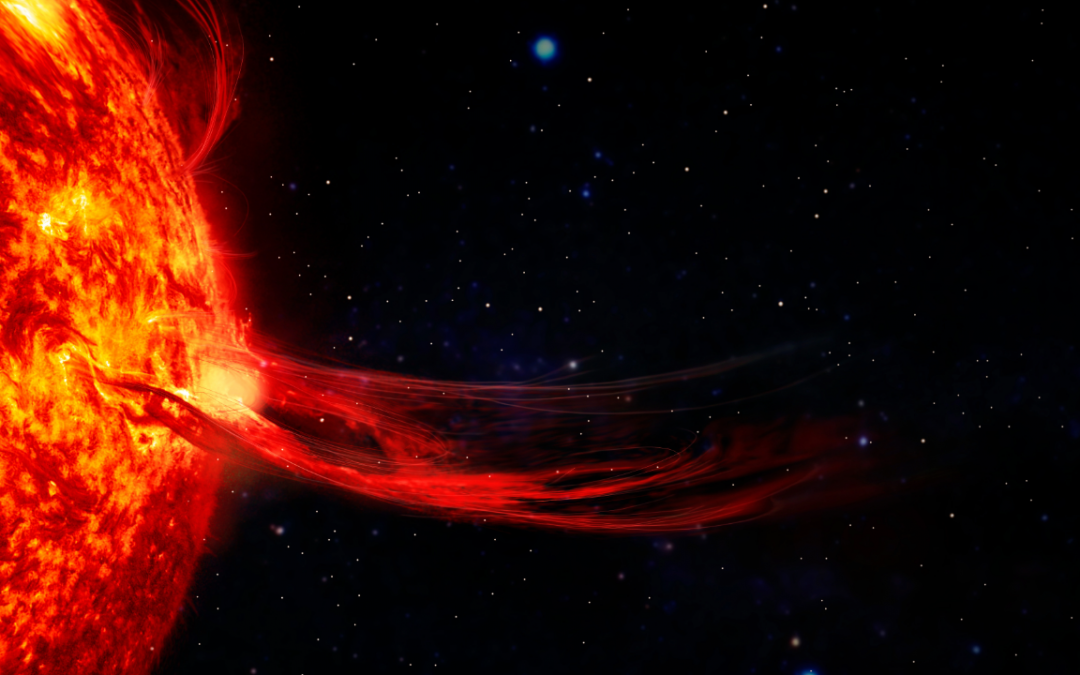
Solar cycle 25 is shaping up to be a doozy, with plenty of flares and coronal mass ejections blasting off the Sun. As the solar activity continues to rise, how are things shaping up?
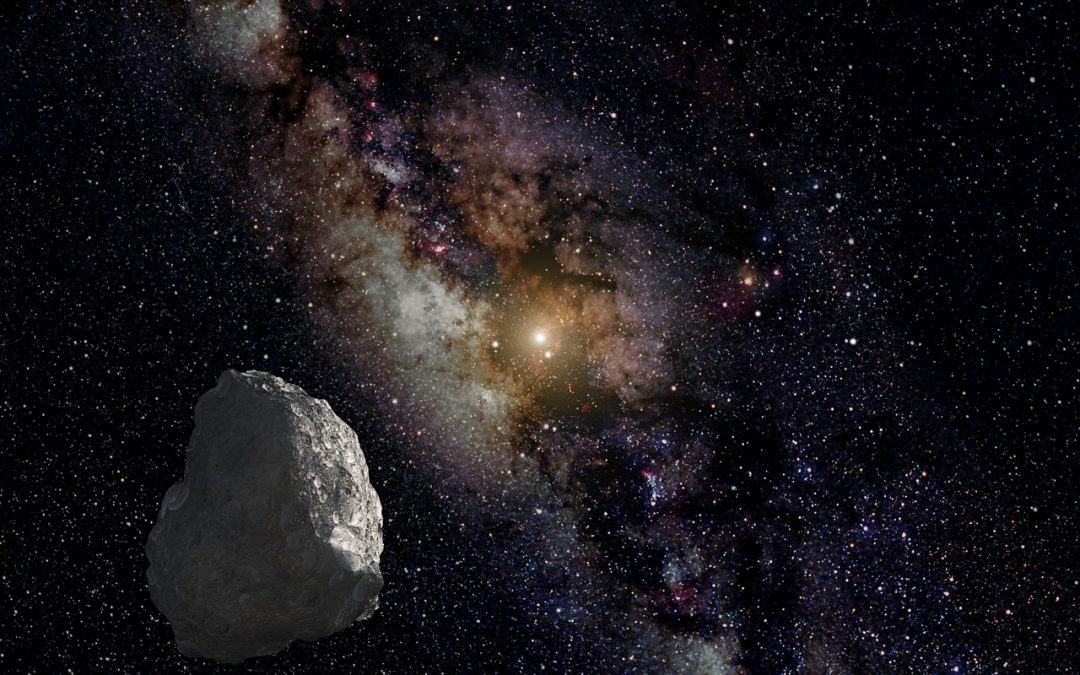
Finally, we reach the end of our tour through the missions in the Solar System. Out beyond Mars, to Jupiter the Kuiper Belt and Beyond. Recorded live during the CosmoQuestX 2023 Hangout-a-Thon.
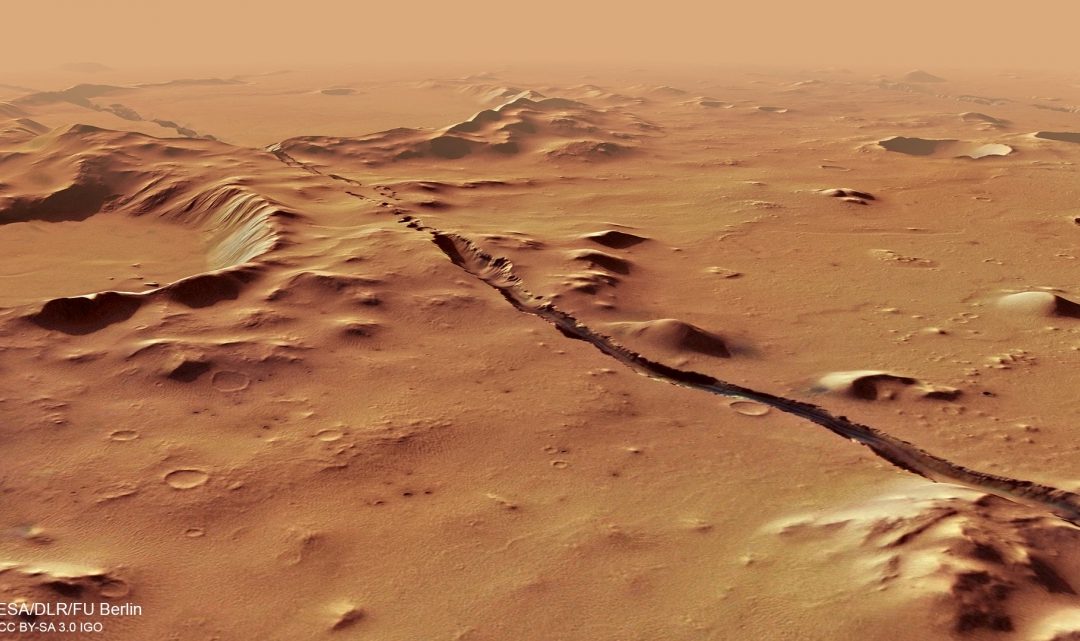
Another week, another review of space missions in the Solar System. Today we set our sights on the red planet. What are all the active missions at Mars today?
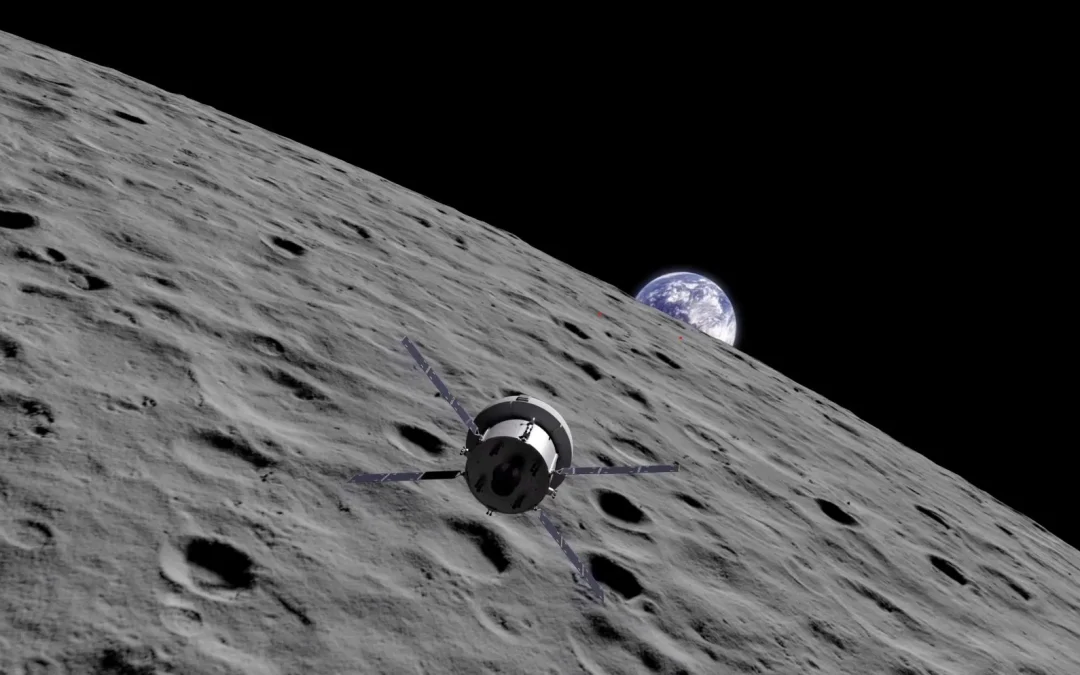
Our journey through missions continues, this time we focus on the Moon. There are many nations on the Moon, near the Moon, around the Moon, travelling to the Moon. It’s a lot. We’ll talk about it today.
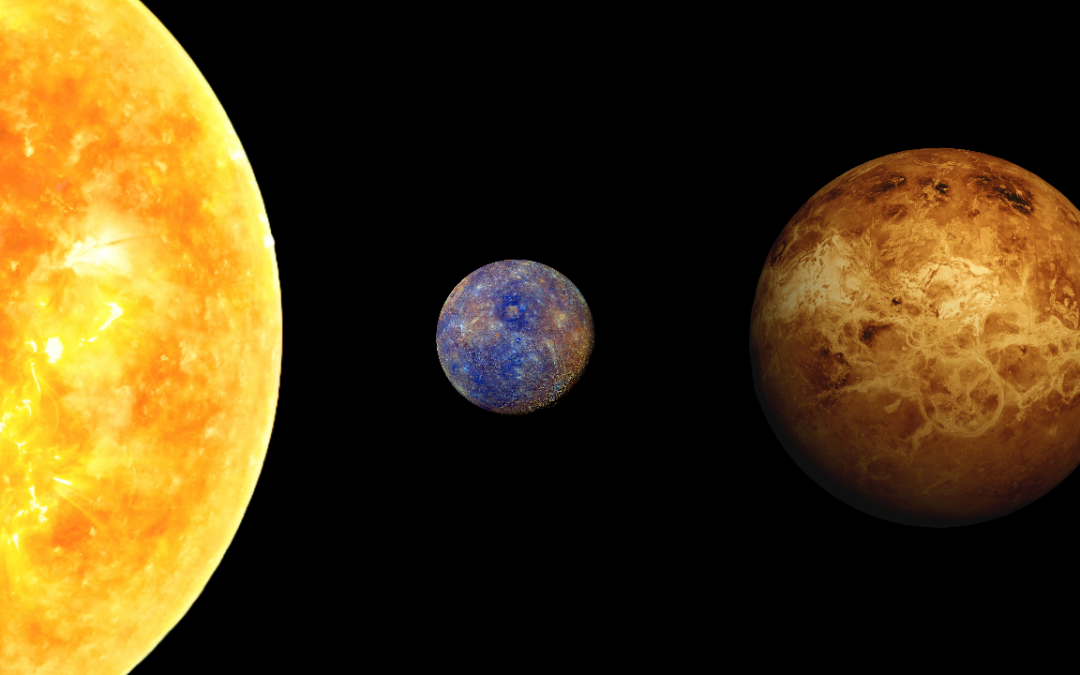
Our journey through space missions continues. Now we move away from the Earth to the rest of the solar system. What’s out there orbiting, roving and flying on other worlds and in interplanetary space. Today we look inward and we’ll talk about the missions studying the Sun, Mercury and Venus.
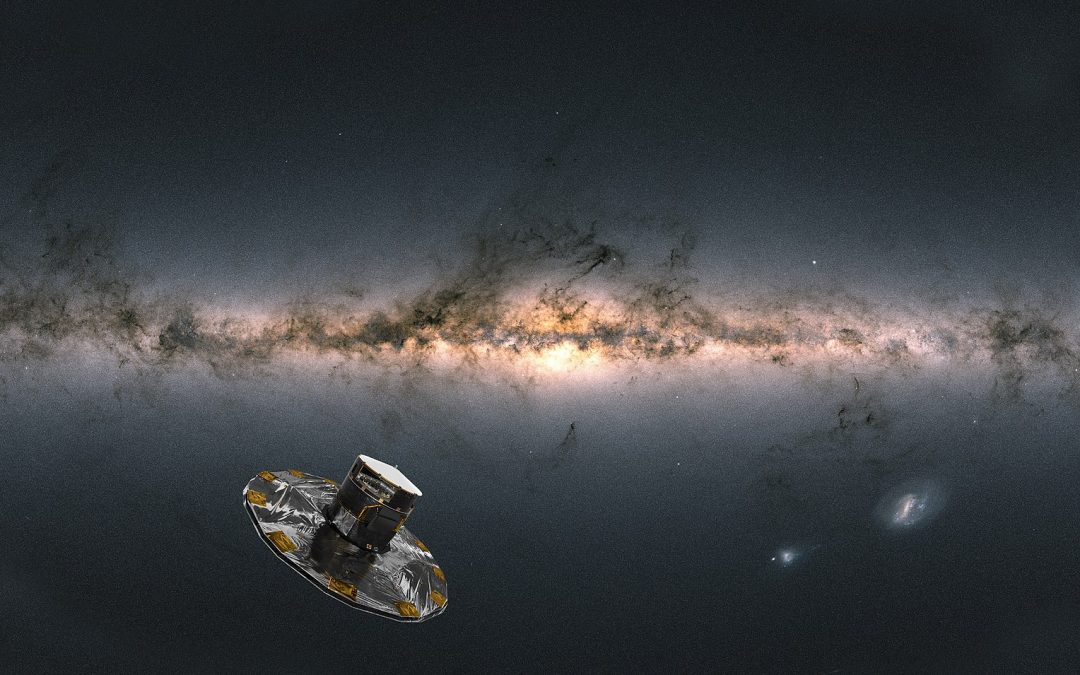
Last week, we brought you up to speed on the spacecraft which are helping to study Earth from above. Many of our missions are in Earth orbit but looking outward to study the Universe. Today, we’ll talk about the missions close to home, helping us understand our place in the cosmos.
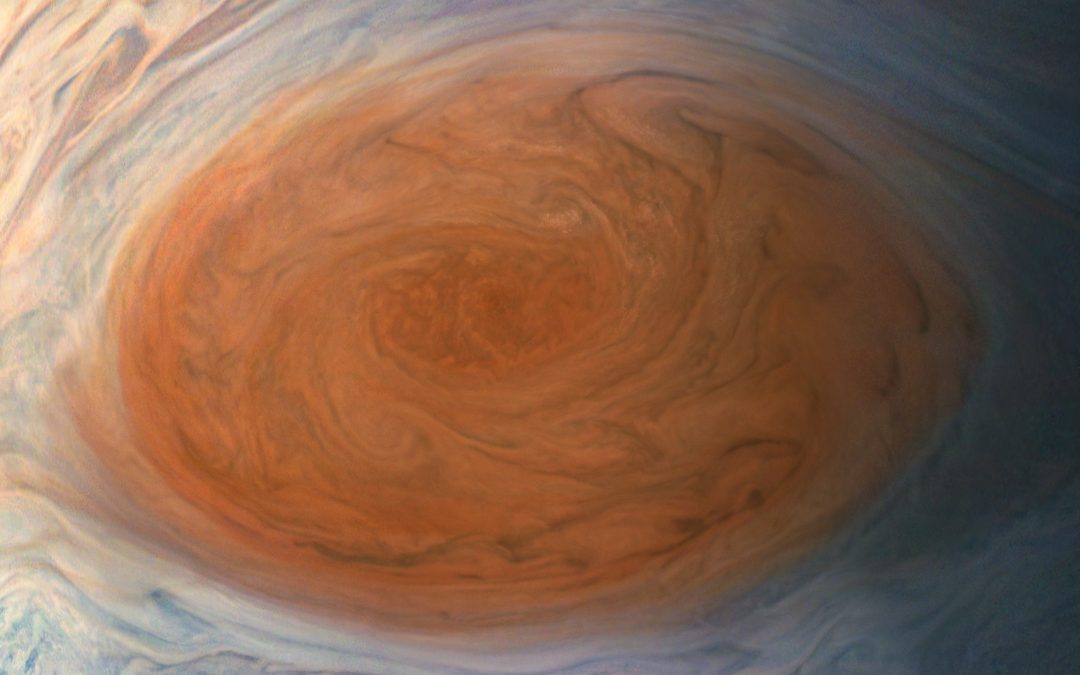
Jupiter’s Great Red Spot is one of its most iconic features, first seen hundreds of years ago. Although it’s certainly long-lasting, it’s been changing in size over the last few decades, shrinking and changing in color. Is it fading away? And what can the changes tell us about storms on giant planets?
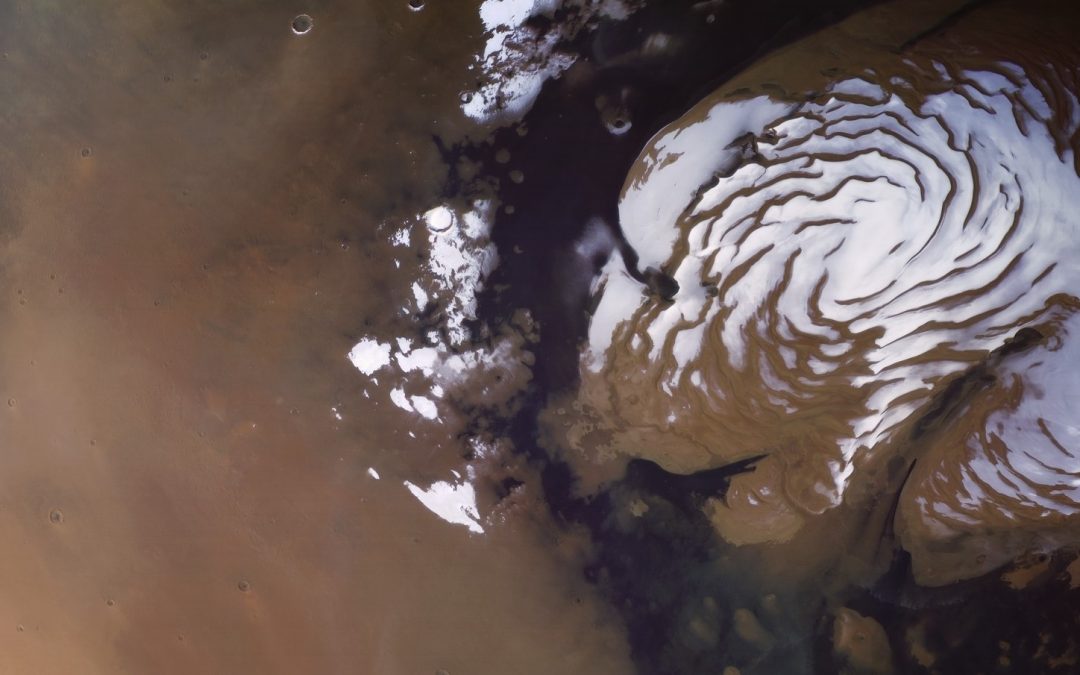
We’ve looked at Earth’s changing climate, now let’s see what it’s like for another world: Mars. Much looks familiar, but some of it is totally alien, from ice caps of frozen carbon dioxide to planetary dust storms that can obscure the entire world from view.
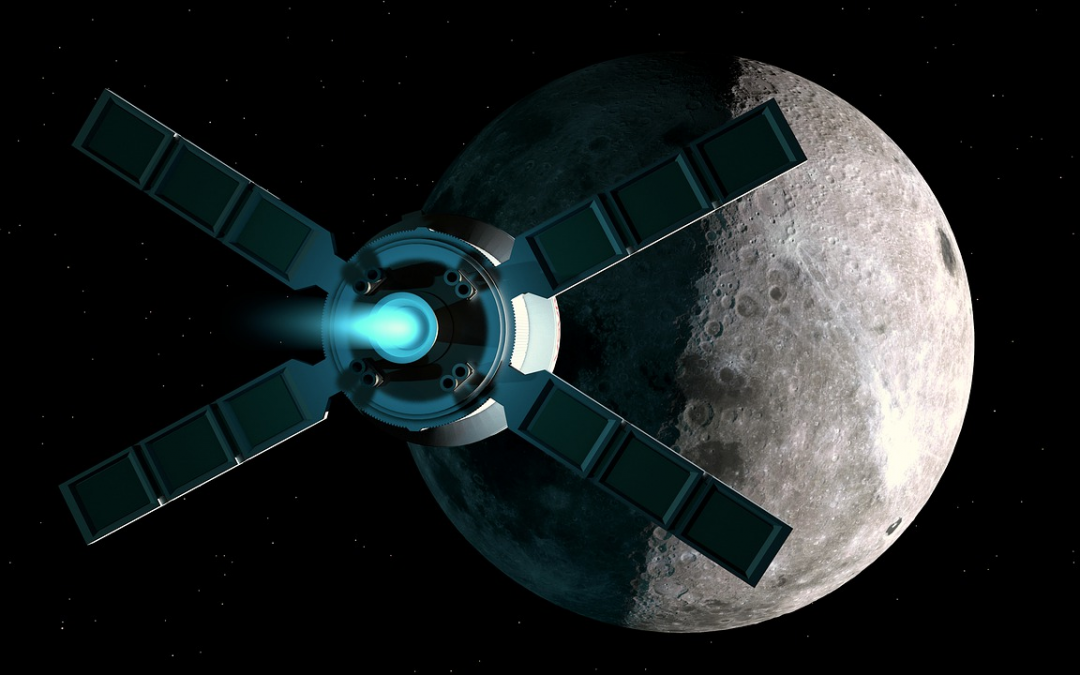
We’re going back to the Moon. In the next few years humans will set foot on the Moon again, ideally this time to stay. But this will be different than the Apollo era, going to the scientifically fascinating, and difficult southern pole of the Moon. What needs to be done to prepare the way back to the Moon?