Normally we try to end the season on a high note. But here’s the unfolding news: NASA’s new budget is here, and it’s 25% smaller.

Normally we try to end the season on a high note. But here’s the unfolding news: NASA’s new budget is here, and it’s 25% smaller.
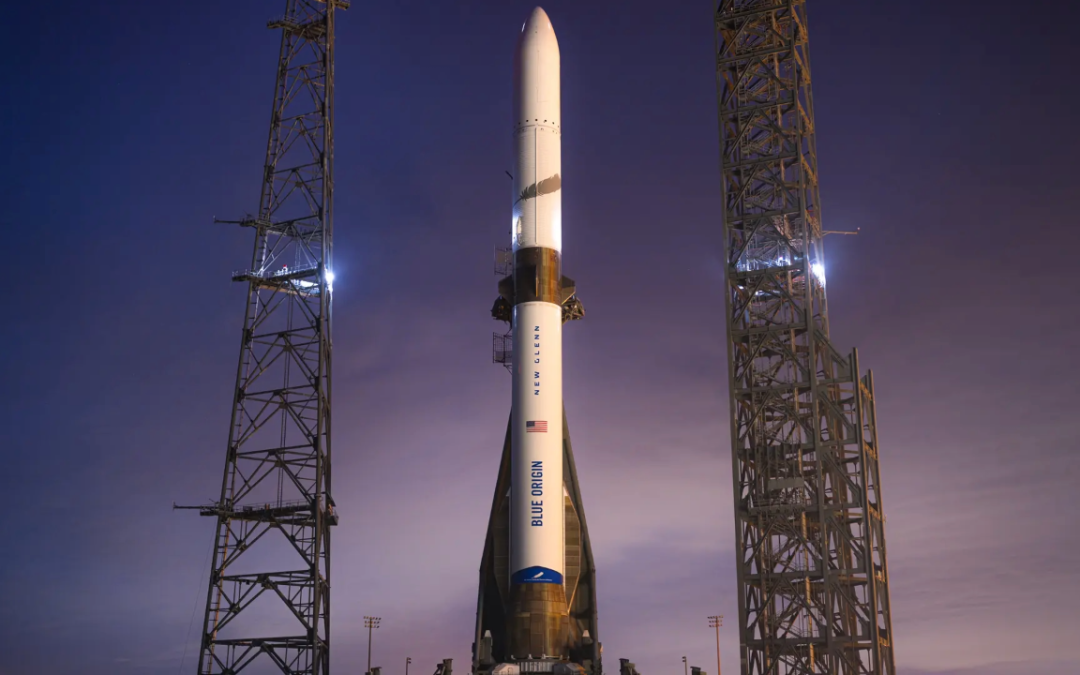
It’s almost time for our annual summer hiatus, but before we go, we wanted to direct you towards all the fun and space stuff we’ll be enjoying this summer. We’ve got meteor showers, planets, rocket launches, TV shows, movies! Here’s what’s good. In a couple of weeks,...
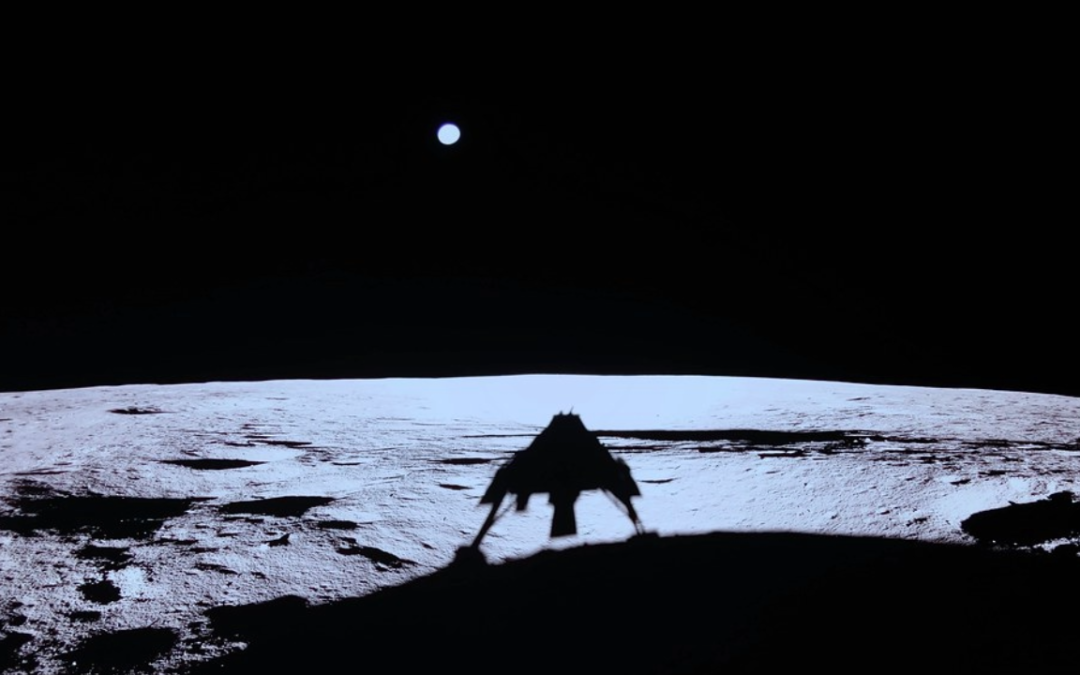
Humanity has turned its focus back to the Moon, sending a fleet of spacecraft to the lunar surface. Some are run by the government, but there’s a whole new group of commercial landers bearing instruments to the lunar surface. Is this the future of lunar exploration?...
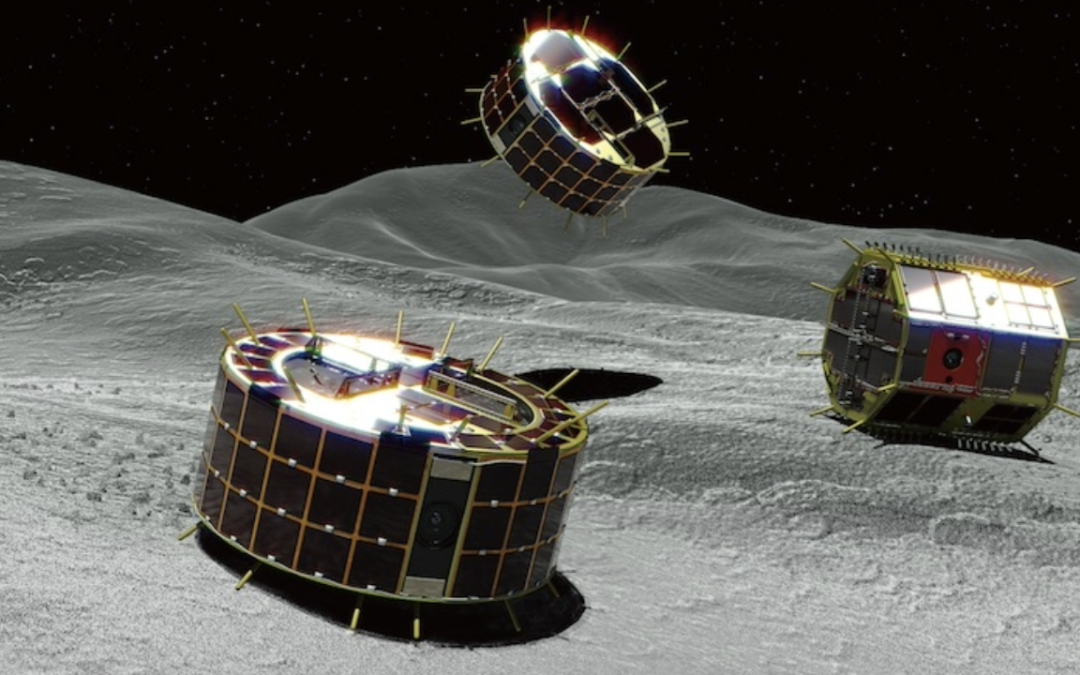
Astronomy Cast dive into the wild world of non-roving rovers. The future of exploration isn’t just rolling… it’s hopping, flying, crawling, and swimming!
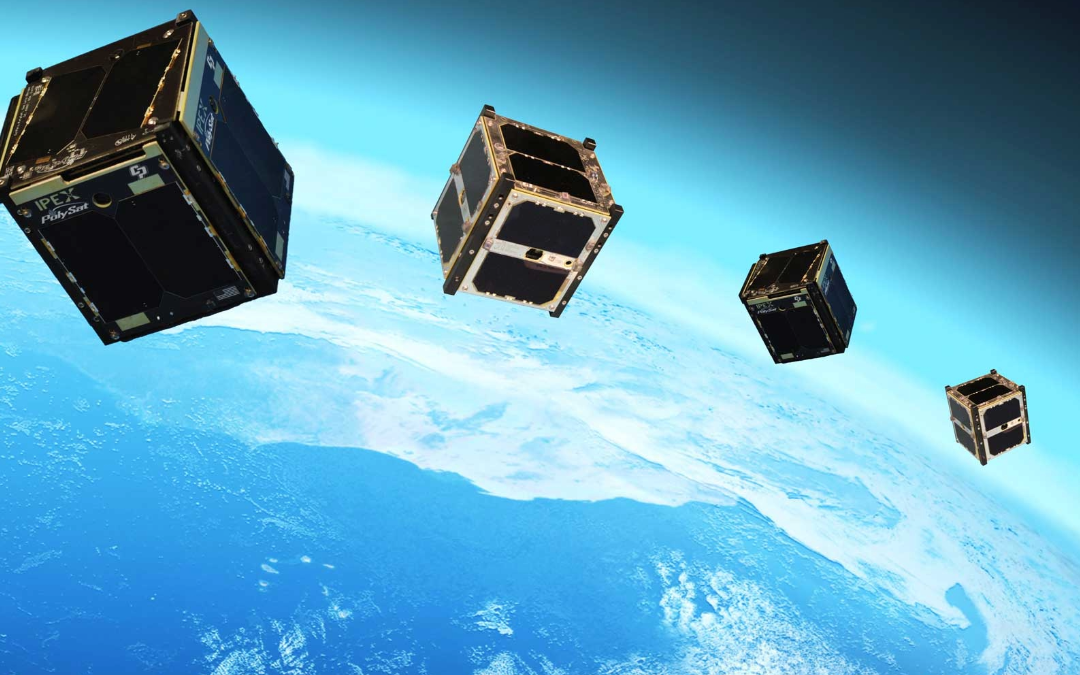
Computers are getting smaller, faster and more capable, which has enabled an entirely mew class of satellites: CubeSats.
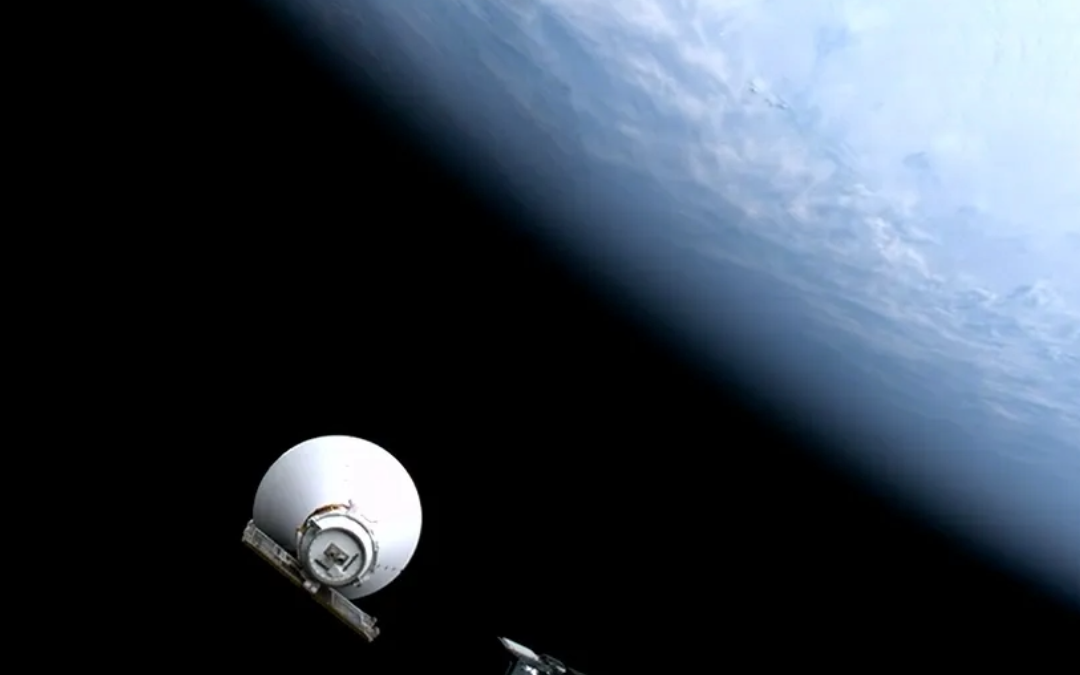
NASA’s newly launched SphereX mission is up & operational and has completed its initial checkout and “first light”. Everything looks good! And now it’s starting its science operations.
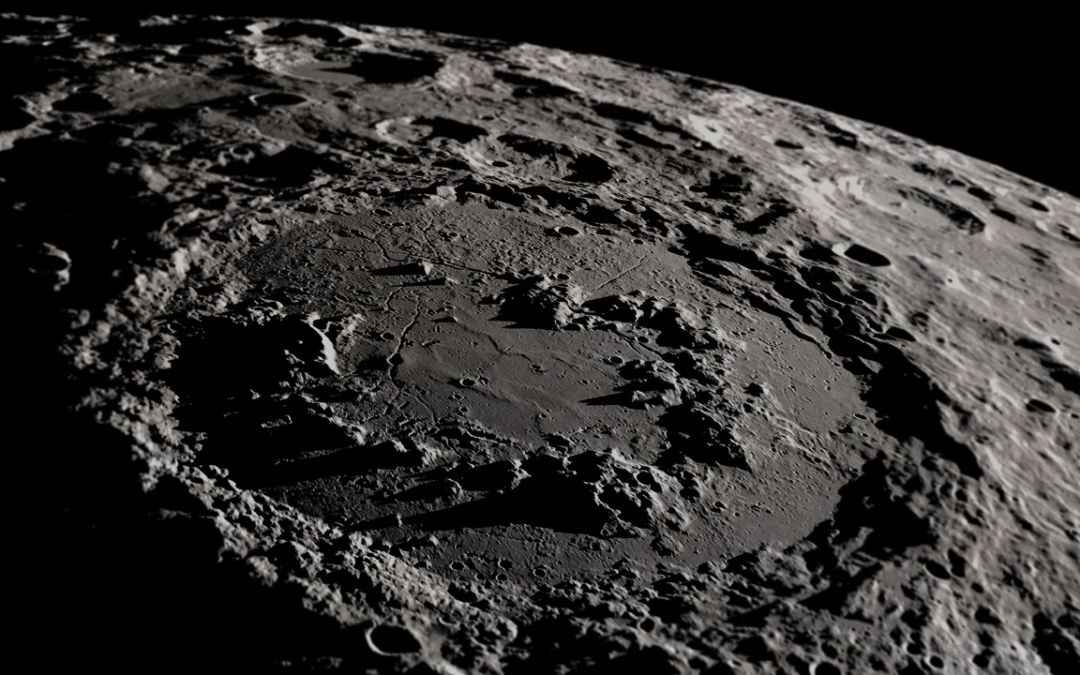
It seems like everyone just wants to explore the Moon’s South Pole. What makes this region so special and what are the special challenges that explorers will face. Learn here!
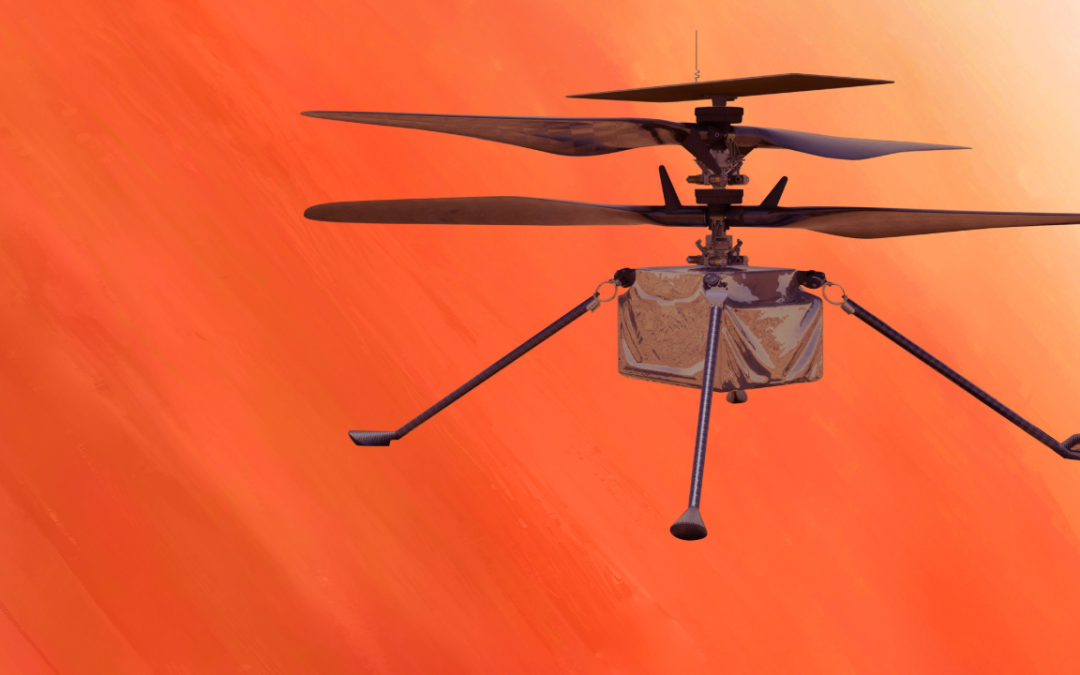
From little Ingenuity to the future Firefly and all our Earth Science fliers, let’s look at the buzzy scientists. Soon there’ll be a helicopter flying on Titan, but there are many other flying robots that’ll be helping us with all our science needs.

What can we hope (or dread) to see in 2025? Today we’re gonna talk about the upcoming space stories for 2025 that we’re looking forward to.
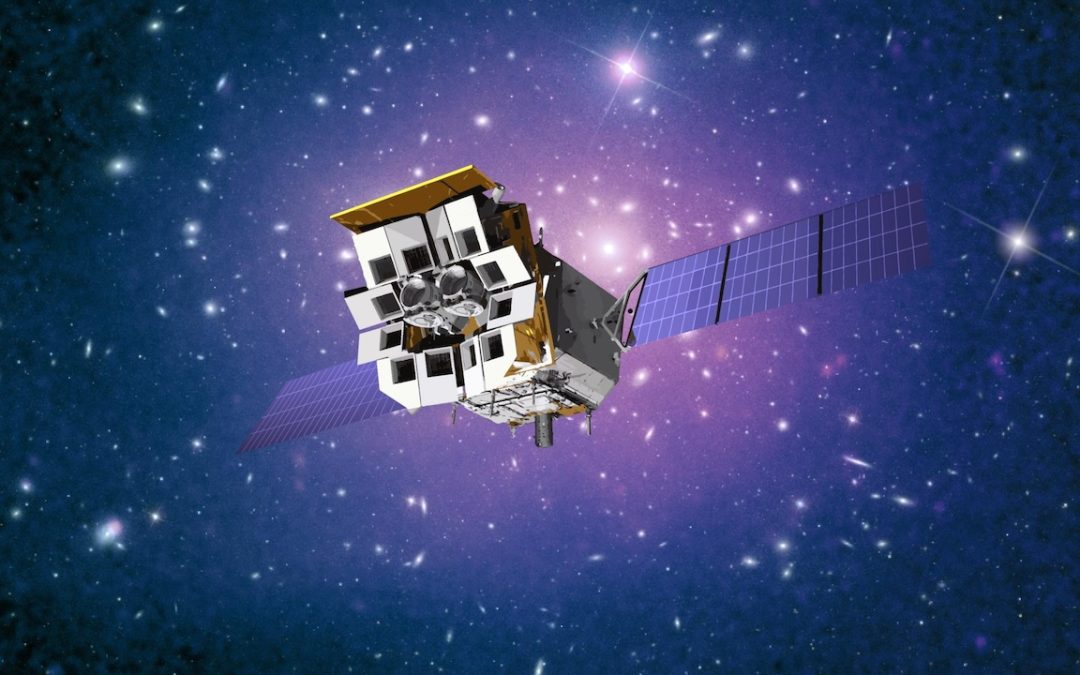
Another day, another space telescope! Today we’re looking at the newly launched Einstein Probe
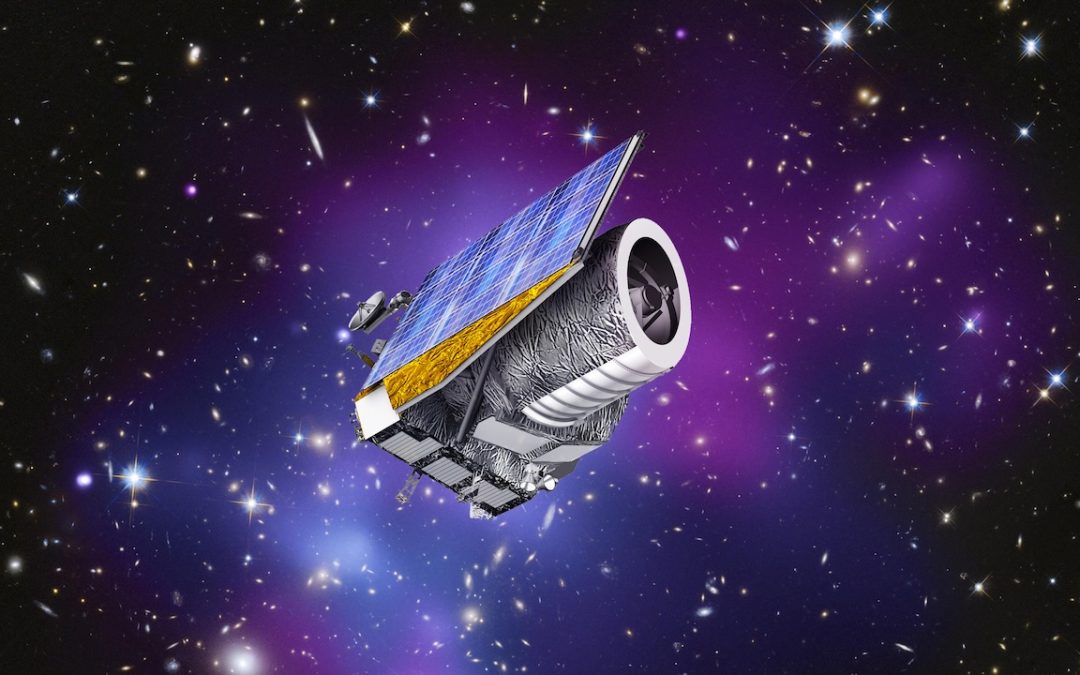
Let’s look at the Euclid Space Telescope..
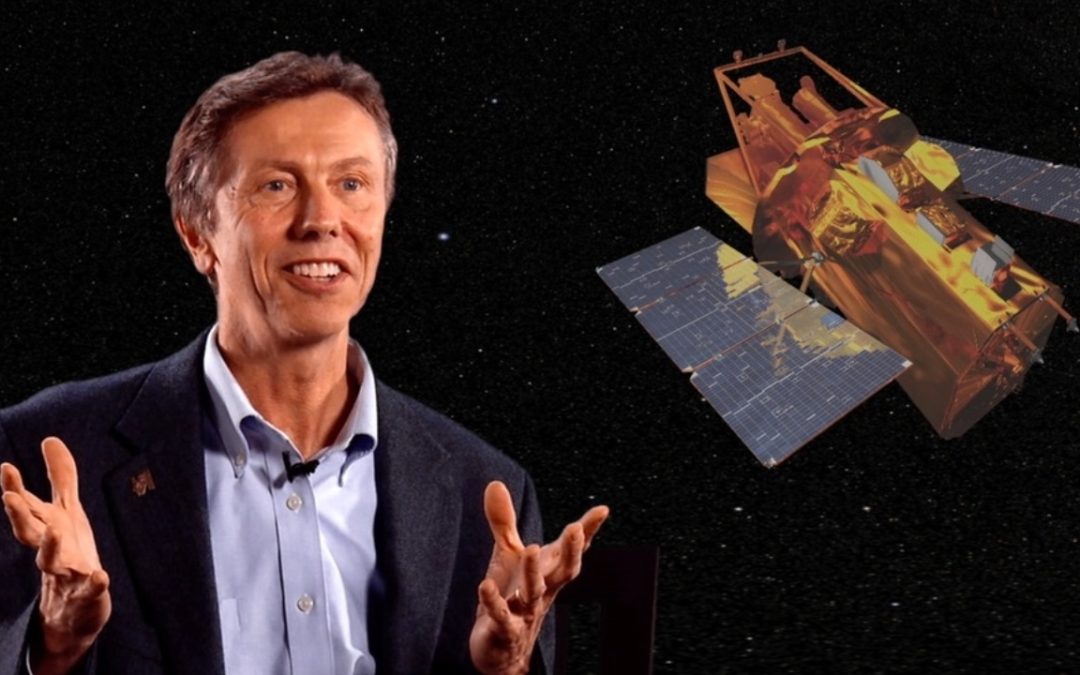
Last week we talked about the Neil Gerhels Swift Telescope, this week we’ll be talking about the man behind the mission.
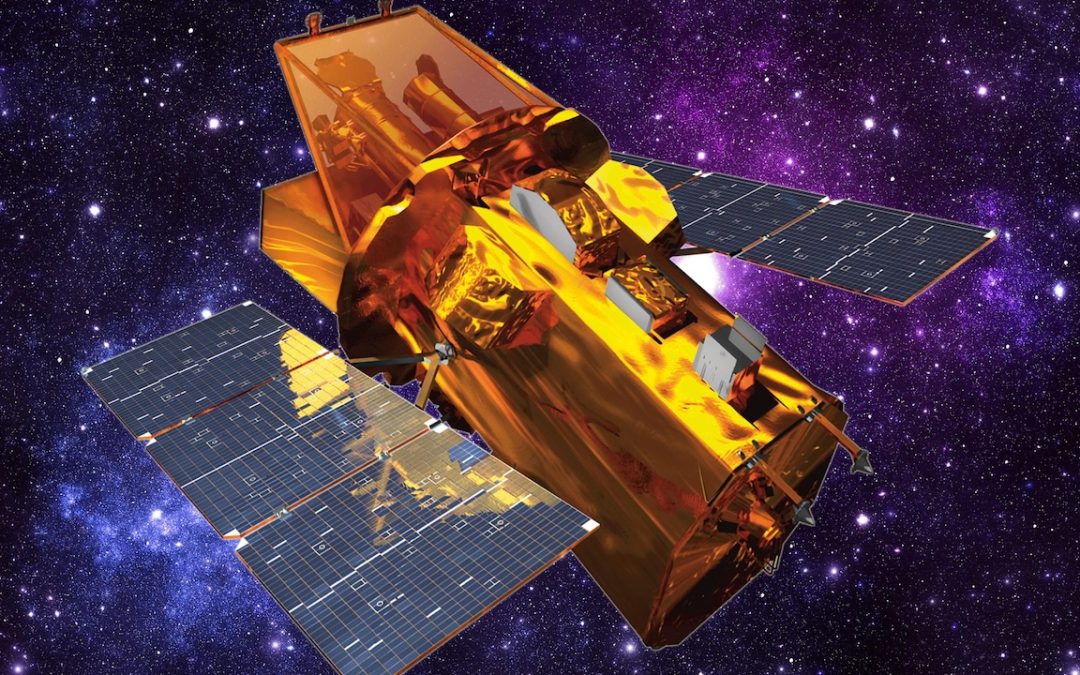
Let’s look over the long life of the Neil Gehrels Swift Telescope as it watches for the multi-spectral flashes of high energy explosions.
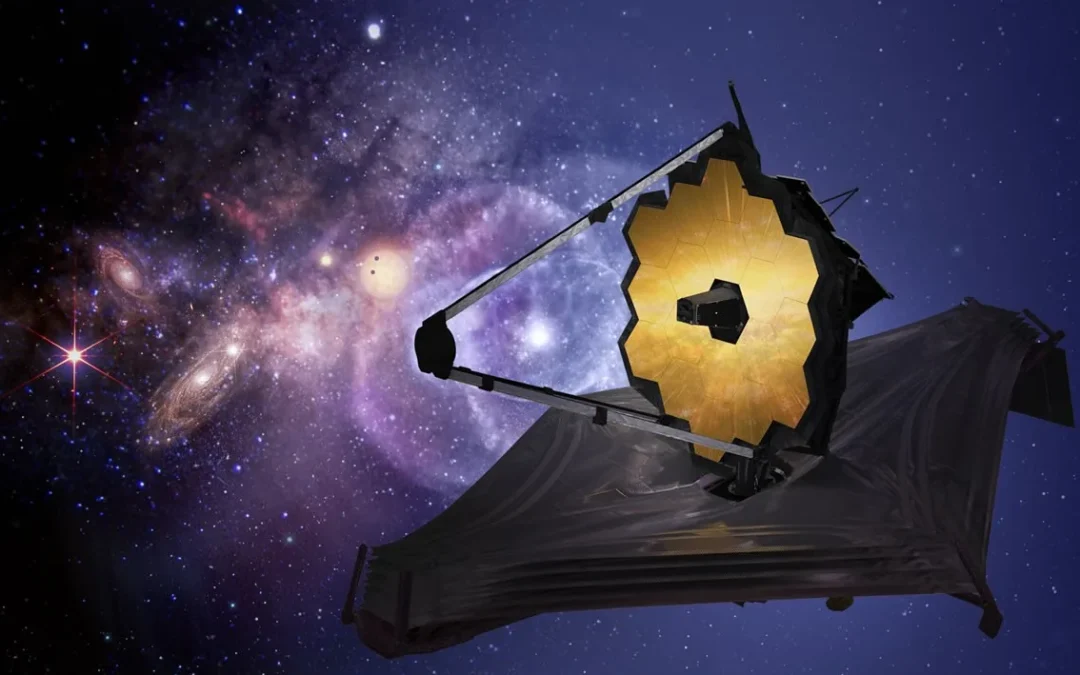
Let’s talk about that giant telescope that’s changing everything. We have been waiting our entire careers to make this episode on the James Webb Space Telescope, AKA the JWST.
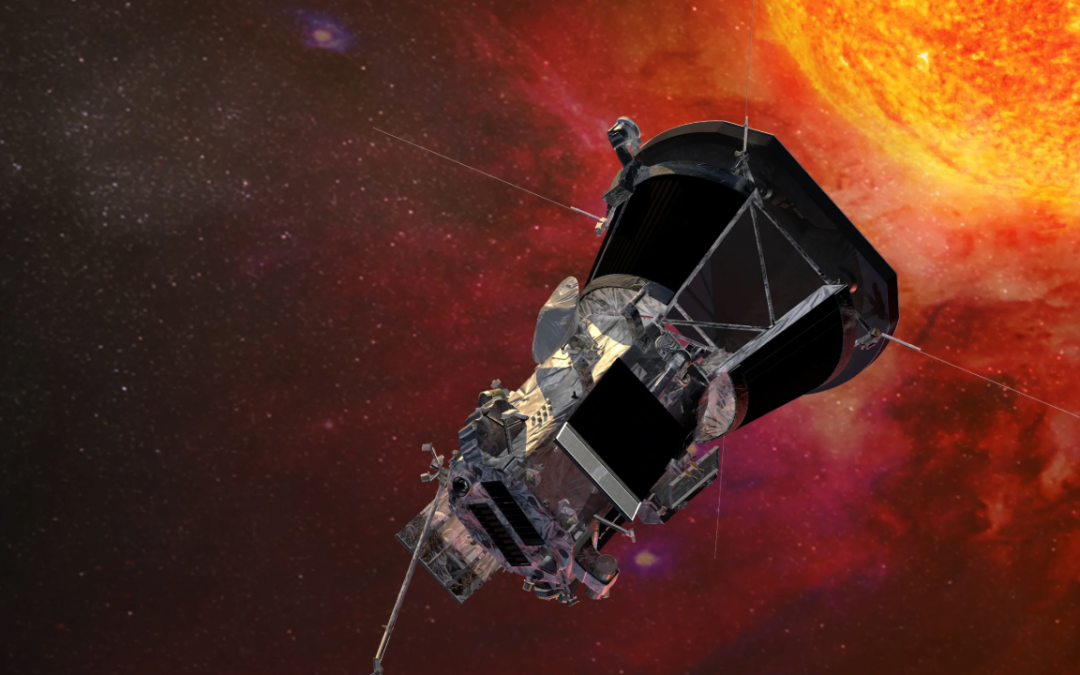
The Sun. It’s that ongoing thermonuclear explosion that’s happening right over there. Although the Sun is necessary for life on Earth, we still have questions. So NASA has sent the Parker Solar Probe to visit the Sun, up close to get some questions answered. Show...
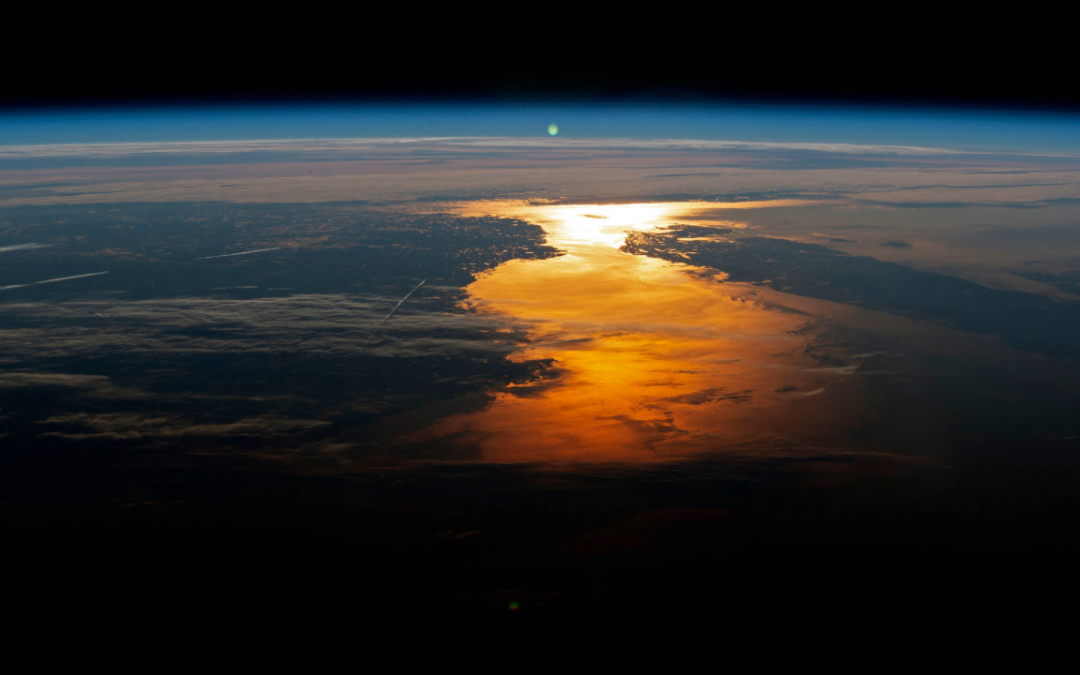
Normally, Pamela refuses to think about the future. But today, on our final episode before hiatus, she’s throwing out those rules. Here’s what we’re excited about for the future, especially in the next couple of months until we return in September Recorded: 10 June...
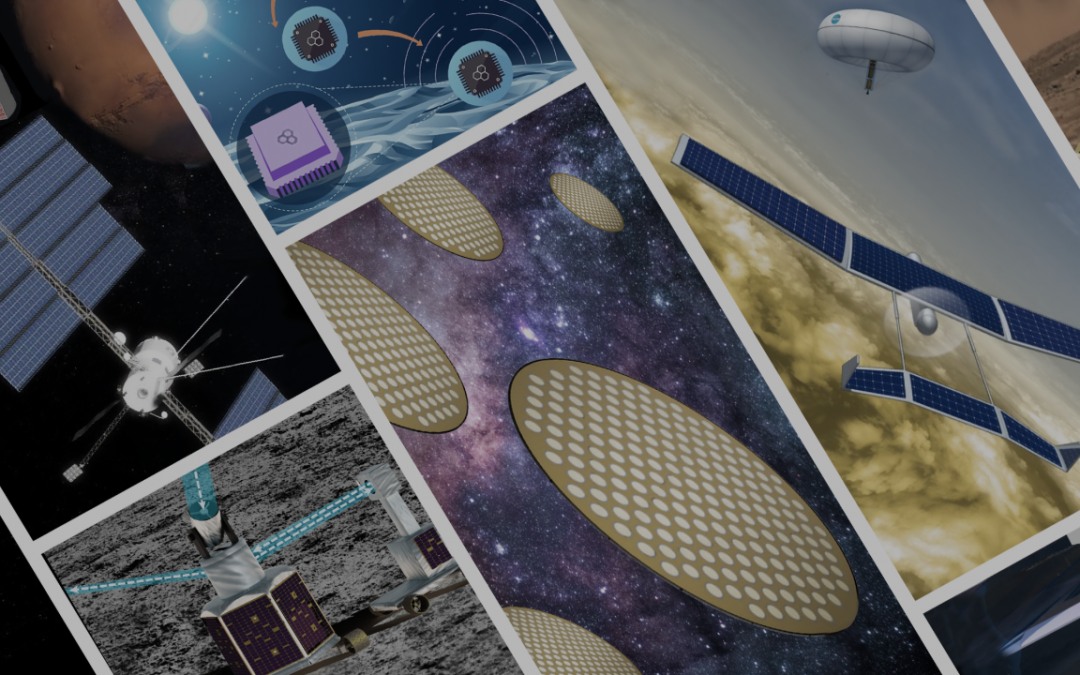
NASA works on many missions using tried and true technology, but they also invest in creative ideas that could drive the future of space exploration. It’s called NASA’s Innovative Advanced Concepts or NIAC.
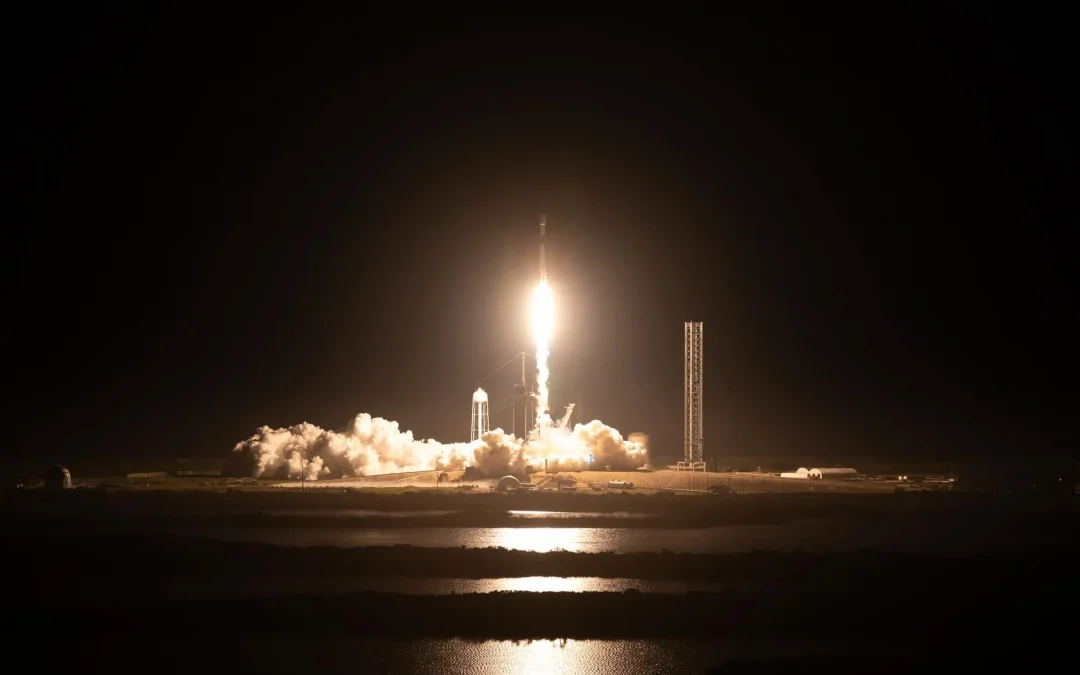
In the olden days, NASA developed its missions using a variety of in-house engineers and external suppliers. As more commercial companies are targeting the Moon, NASA is working with partners to deliver its payloads to the lunar surface.
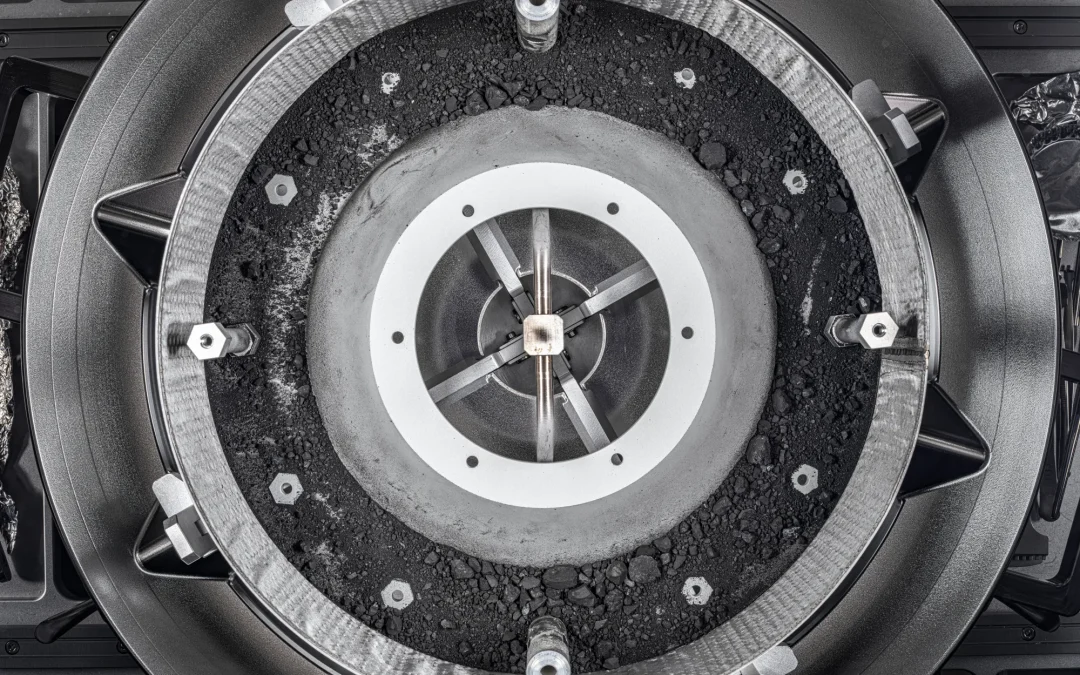
Last week we talked about sample return missions from the Moon and Mars, but scientists have retrieved samples from other objects in the Solar System, including comets and asteroids. What does it take to return a piece of rock from space, and what have we learned so far?
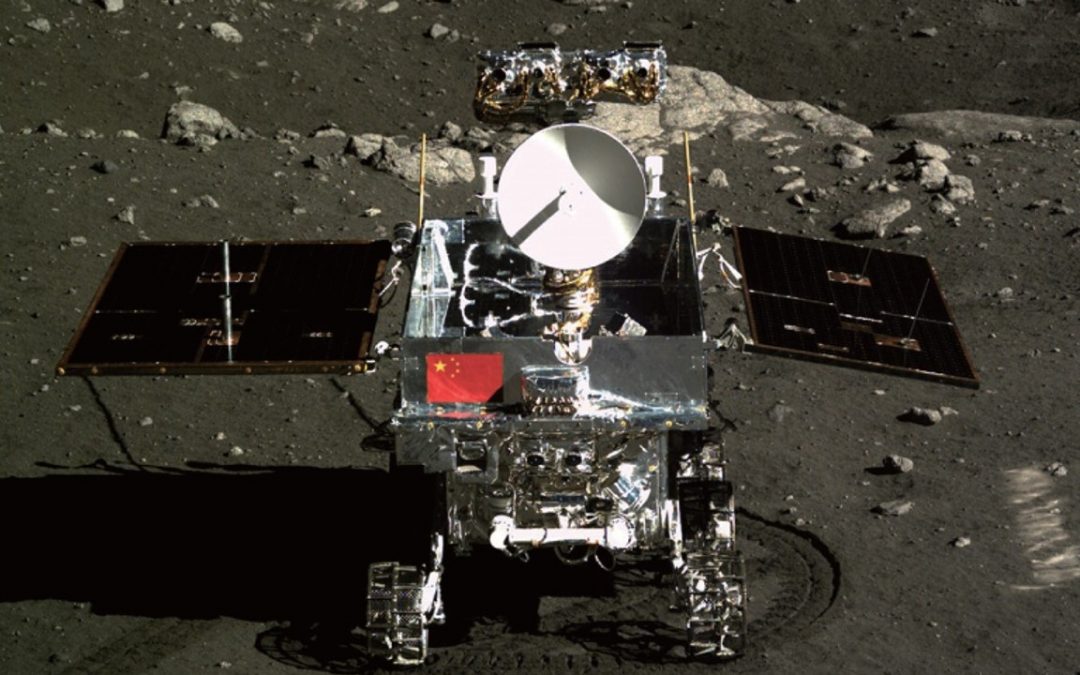
We’re so familiar with NASA’s exploration efforts in space, but you might be surprised to learn that China launches almost as many rockets as the US. They’ve got their own space exploration program that could soon bring humans to the surface of the Moon. Let’s give a brief overview of China’s space exploration plans.
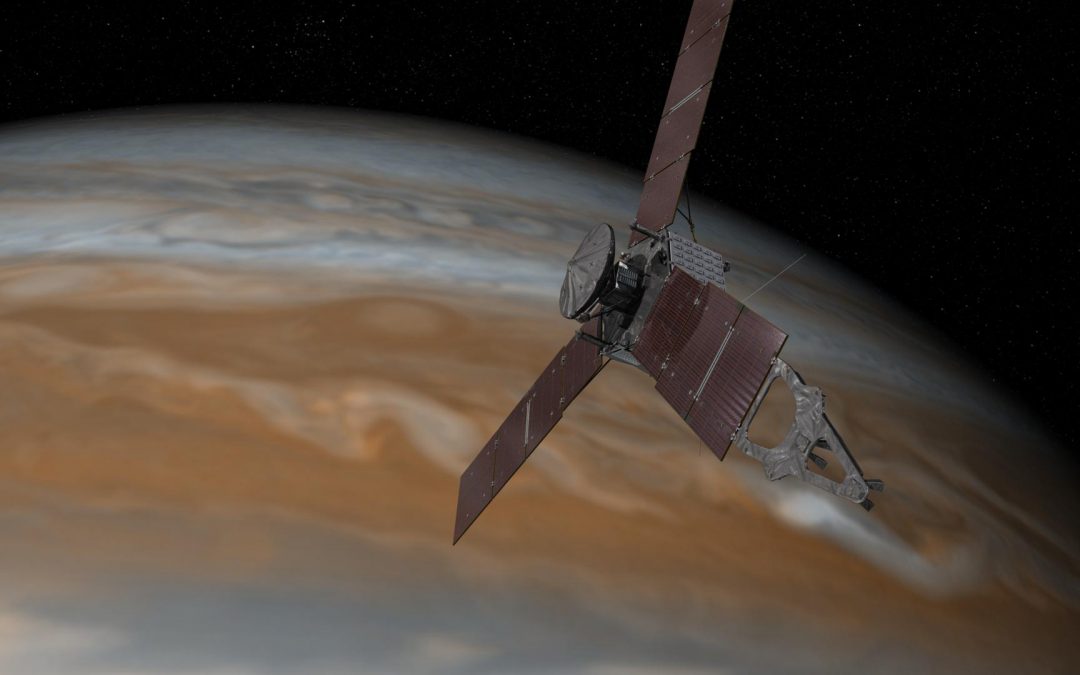
NASA’s Juno spacecraft has completed dozens of flybys of Jupiter, seeing the planet from many angles and delivering some of the most beautiful images we’ve ever seen of the Jovian world. Now it’s focusing in on Io, sending home images of the tiny volcanic world from just 1,500 km away. And the best is yet to come.
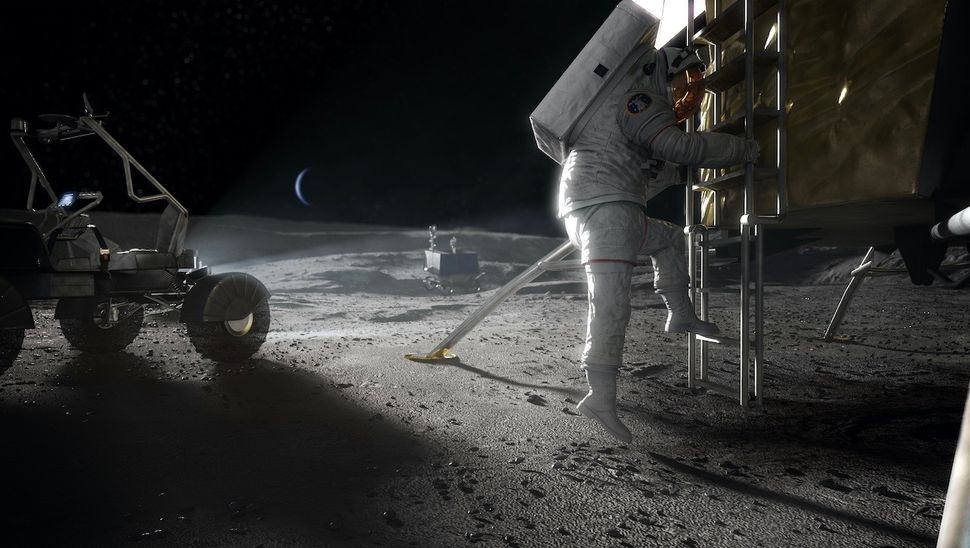
With Artemis 1 completing its robotic flight around the Moon, we know that the SLS works. Next comes Artemis 2, with a crew of astronauts flying past the Moon. If that’s successful, we could see humans set foot on the Moon in December 2025. But there is a long list of challenges to consider that could delay things considerably. Go or no go for launch?
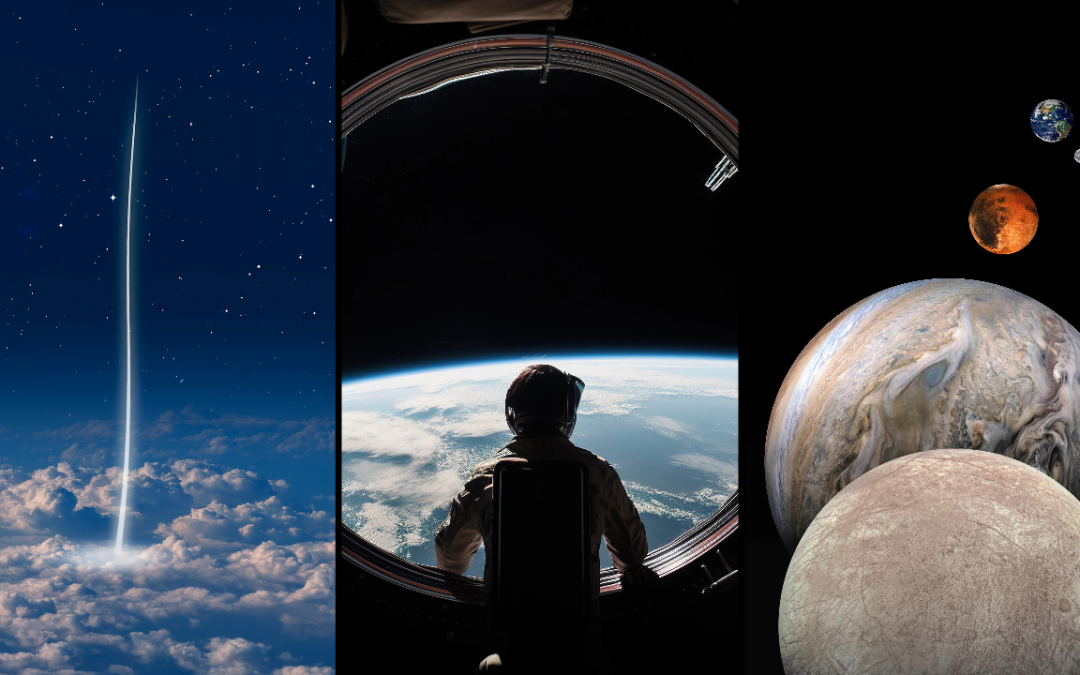
Last week we looked back at some of the ideas that science has changed its mind about. This, we look forward, into the future, at some of the big ideas that astronomers are making progress in. What space science are we looking forward to?
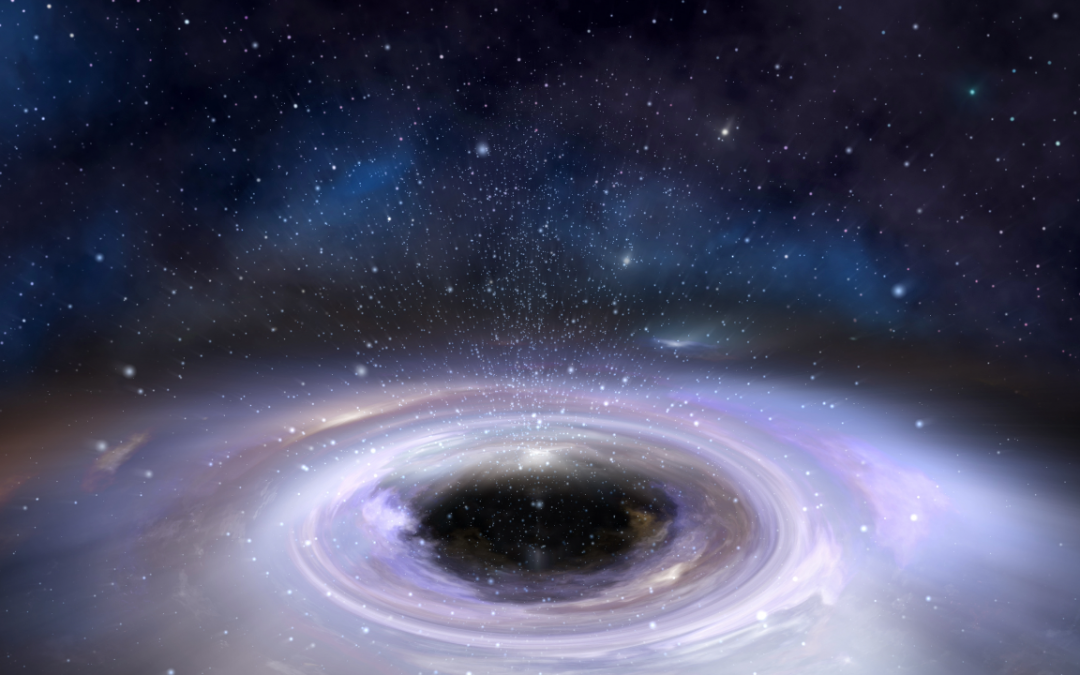
How the time flies. It’s been over a year since JWST went operational, with other missions joining the fun. What new insights have we gained about the Universe thanks to these powerful new tools?
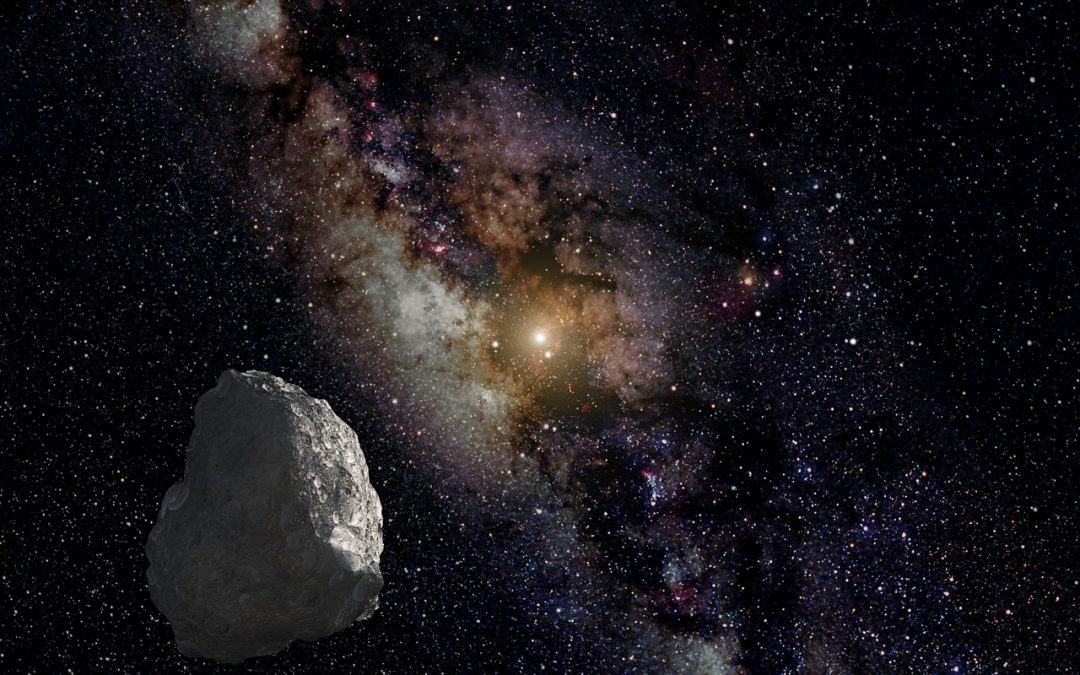
Finally, we reach the end of our tour through the missions in the Solar System. Out beyond Mars, to Jupiter the Kuiper Belt and Beyond. Recorded live during the CosmoQuestX 2023 Hangout-a-Thon.