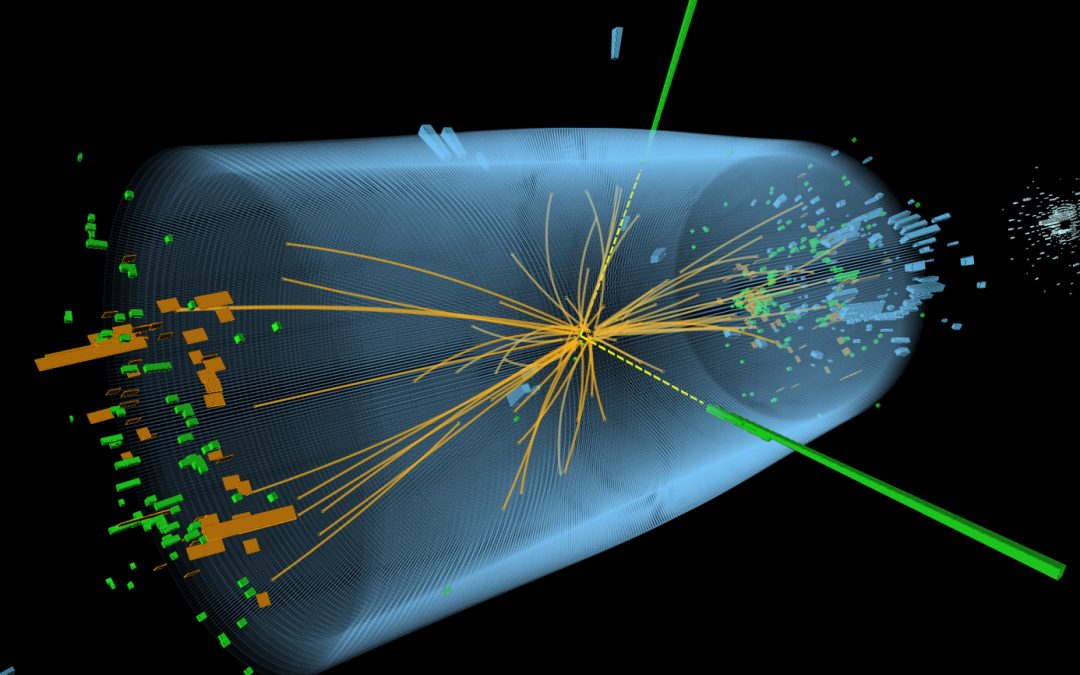
Last week, we learned about the death of Peter Higgs, a physicist and discoverer of the particle that bears his name. The Large Hadron Collider was built to find and describe the particle. Today, we’ll look back at the life of Peter Higgs and his particle.
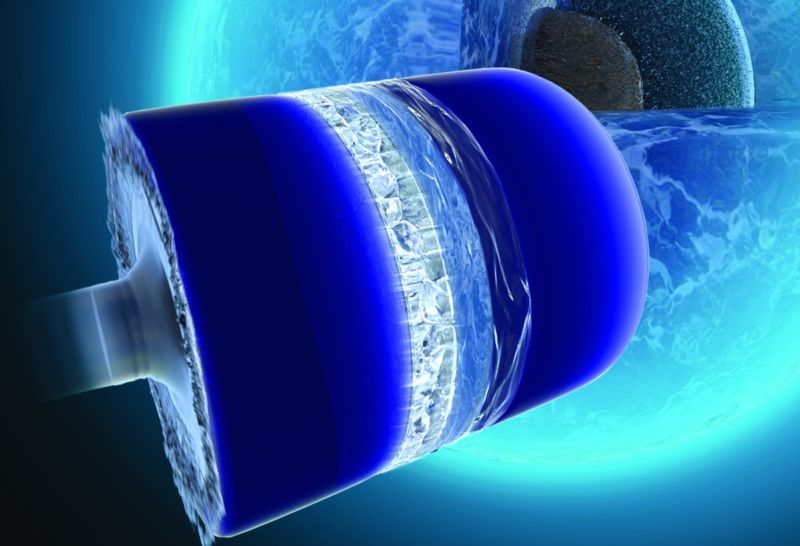
Ice is ice, right? You know, what you get when water freezes. Well, maybe here on Earth. But across the Universe, water can be squeezed together at different temperatures and pressures, leading to very different structures. Today we’ll talk about the different forms that ice can take.
It’s been over 20 years since astronomers first discovered that the expansion of the Universe is accelerating thanks to dark energy. And in these decades, astronomers still don’t have much evidence for what could be causing the increased expansion rate. Maybe there’s something else going on to explain it.
Astronomers have made extremely accurate measurements of the expansion rate of the Universe and come up with different results. And the error bars for the observations don’t overlap, so there’s something strange going on. What’s the answer and how can the Crisis in Cosmology be resolved?
Knowledge moves forward, and so, we must move with it. Today we’ll give you an update on some of the most fascinating, and fast-changing topics in astronomy, astrophysics and cosmology.
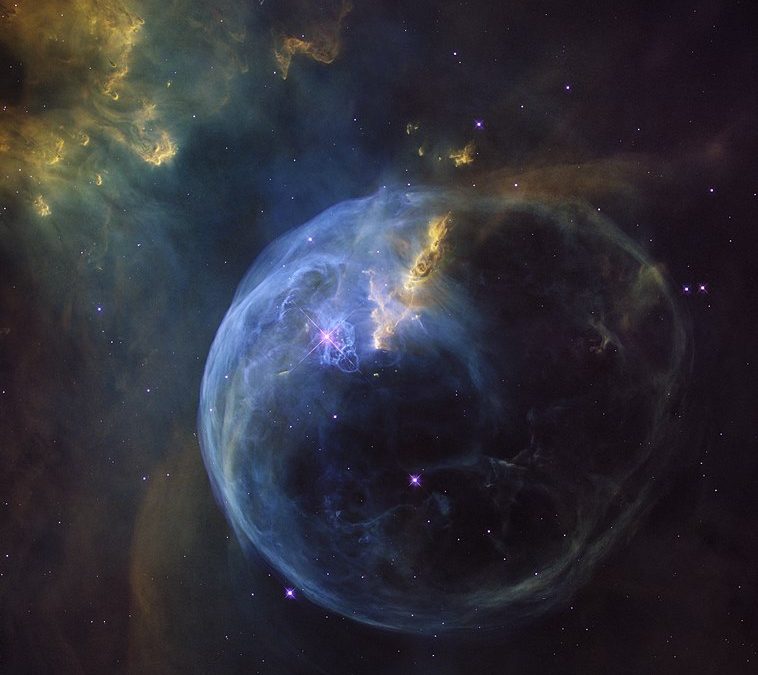
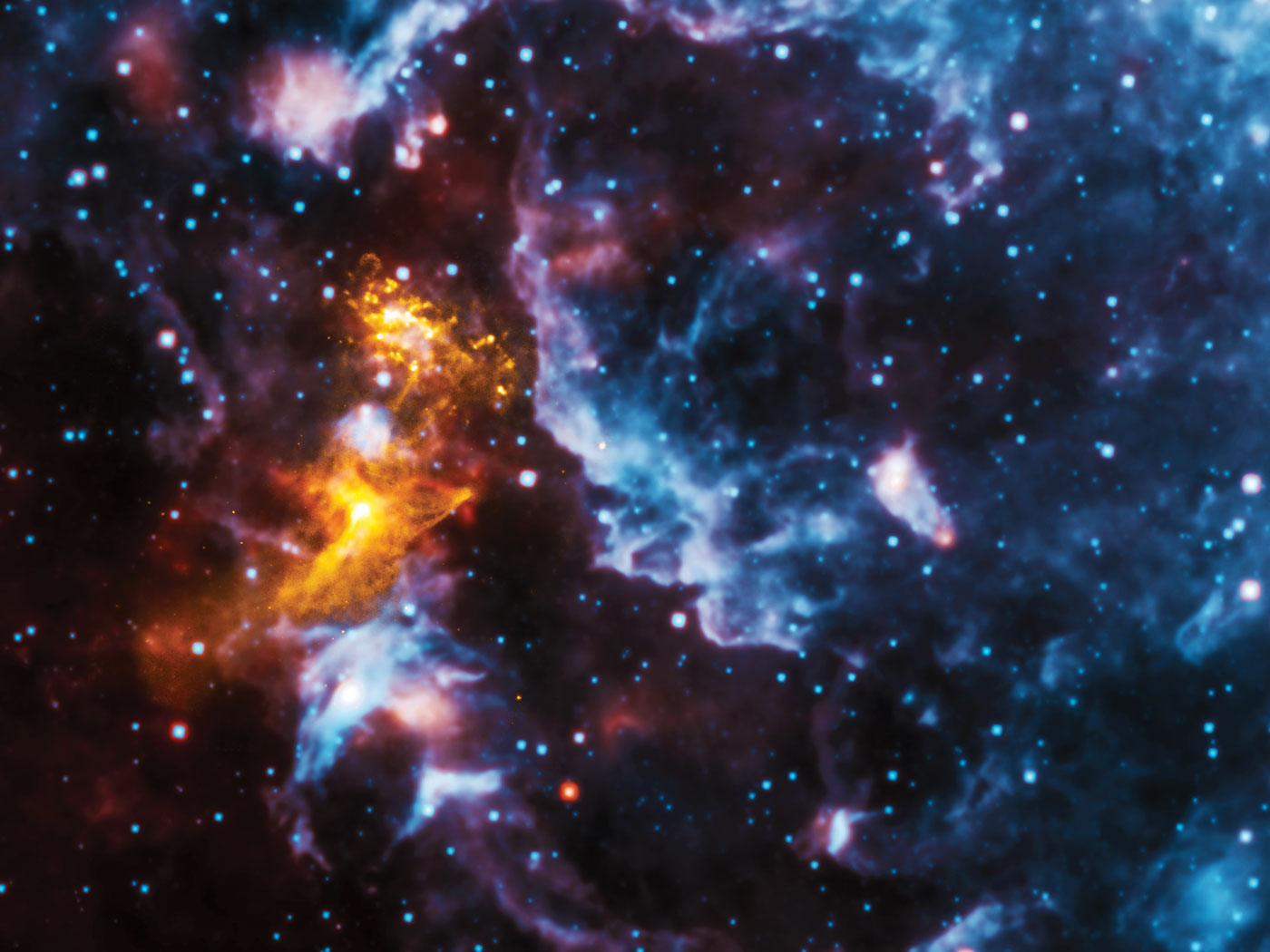
We think of space as a vacuum, but there are regions of different density. There are winds blowing from stars and other objects that clear out vast bubbles in space, and look absolutely fantastic in pictures. And might have been critical for Earth to even exist in the first place.
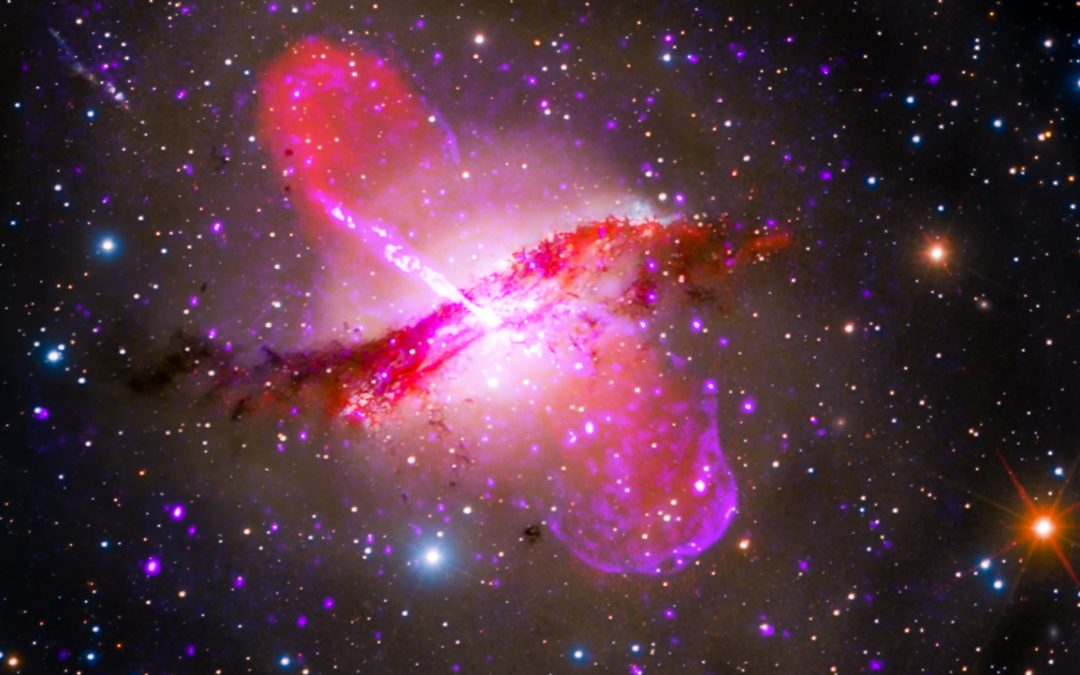
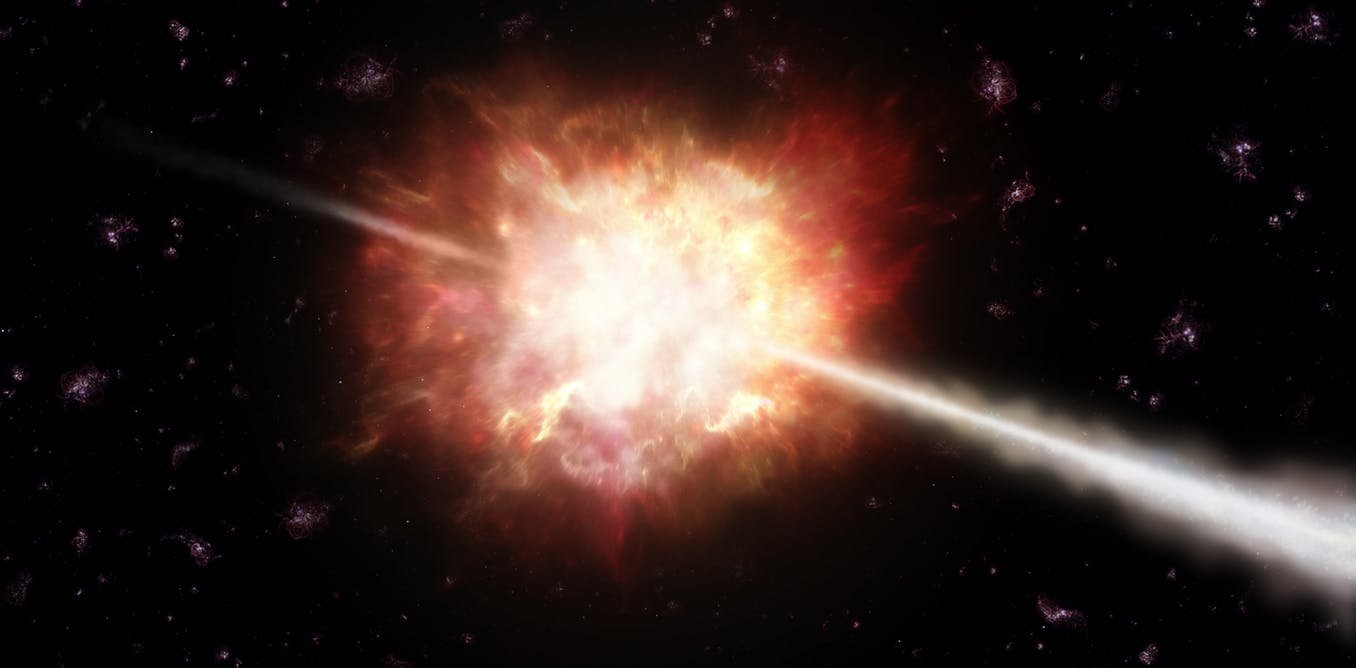
As astronomers look out across the Universe, they see various objects spewing jets of material light years into space. What causes these jets, and what impact do they have on the Universe.
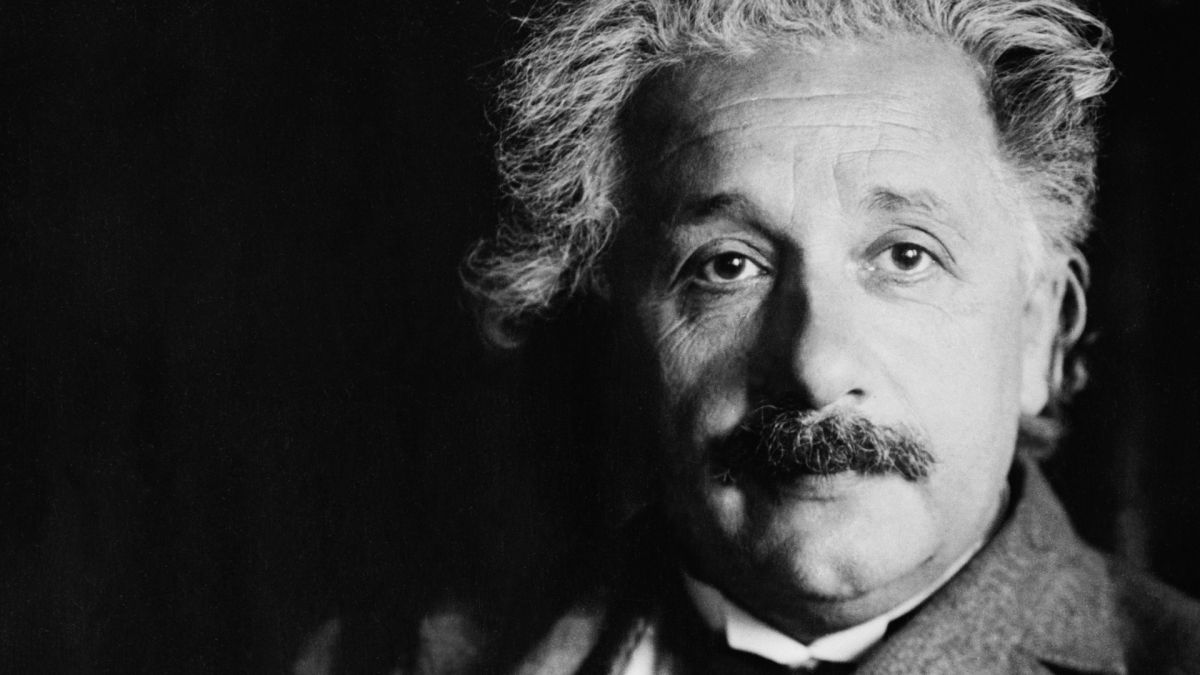
Have you ever wanted to be a time traveler? Good news! You’re time traveling right now. Into the future at one second per second. Too long? Don’t want to wait? Good news, Einstein’s got you covered. Today, let’s talk about the weird world of time dilation.
The Earth’s atmosphere protects us from a Universe that’s trying to kill us, but it also blocks our view of the extreme cosmos, like seeing x-rays and gamma radiation. Space telescopes are changing our view of the most extreme events in the Universe.
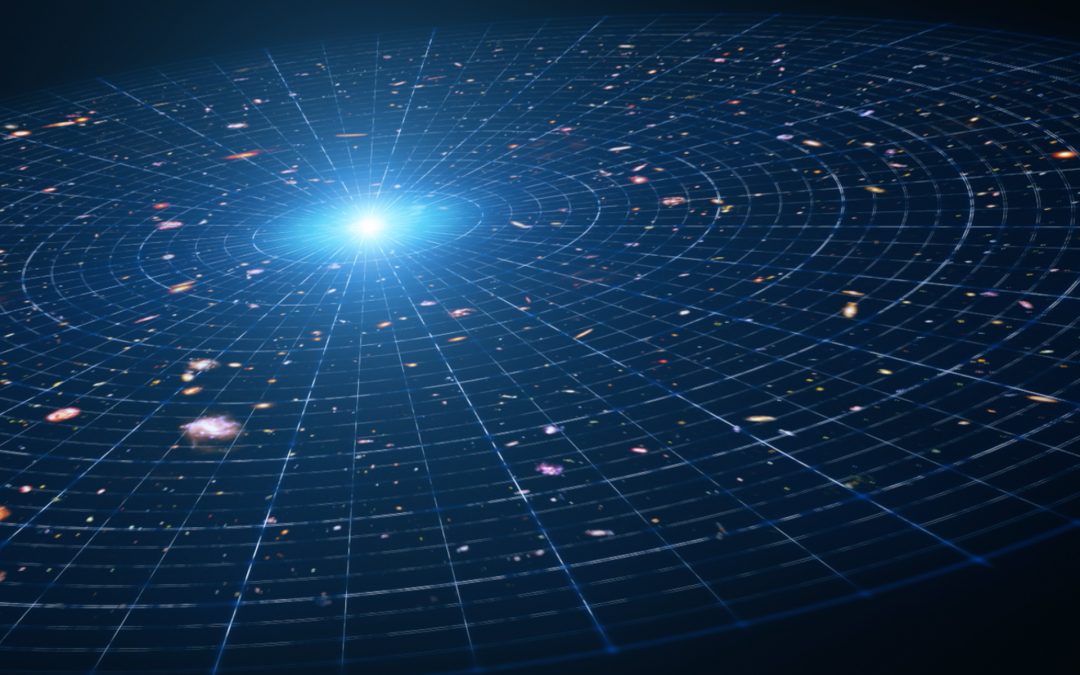
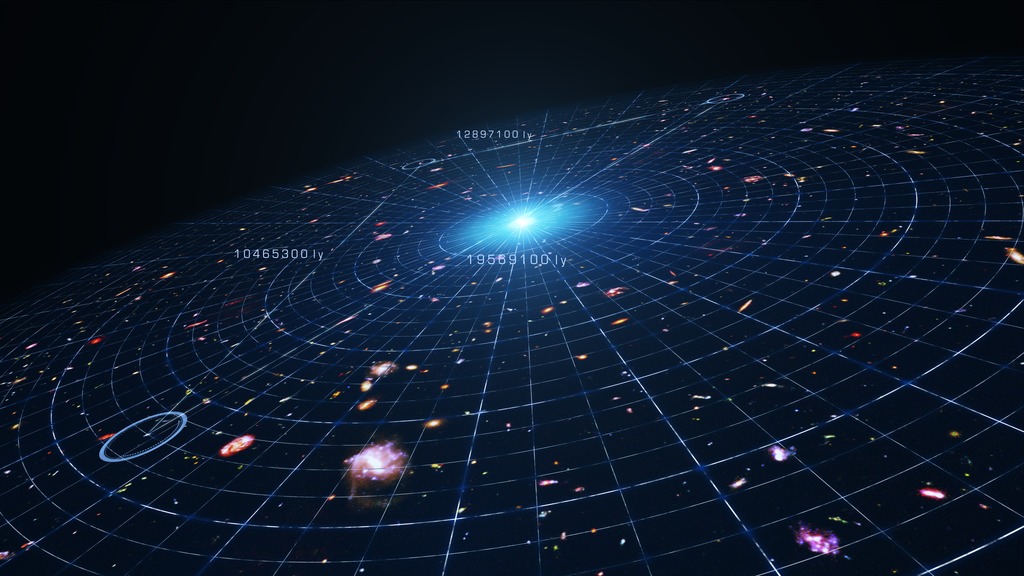
It’s been a while since we checked to make sure the Universe was still expanding. Yeah, apparently, that’s still a thing. But in the last few years powerful new telescopes and expansive surveys have given us much more knowledge about what’s happening.
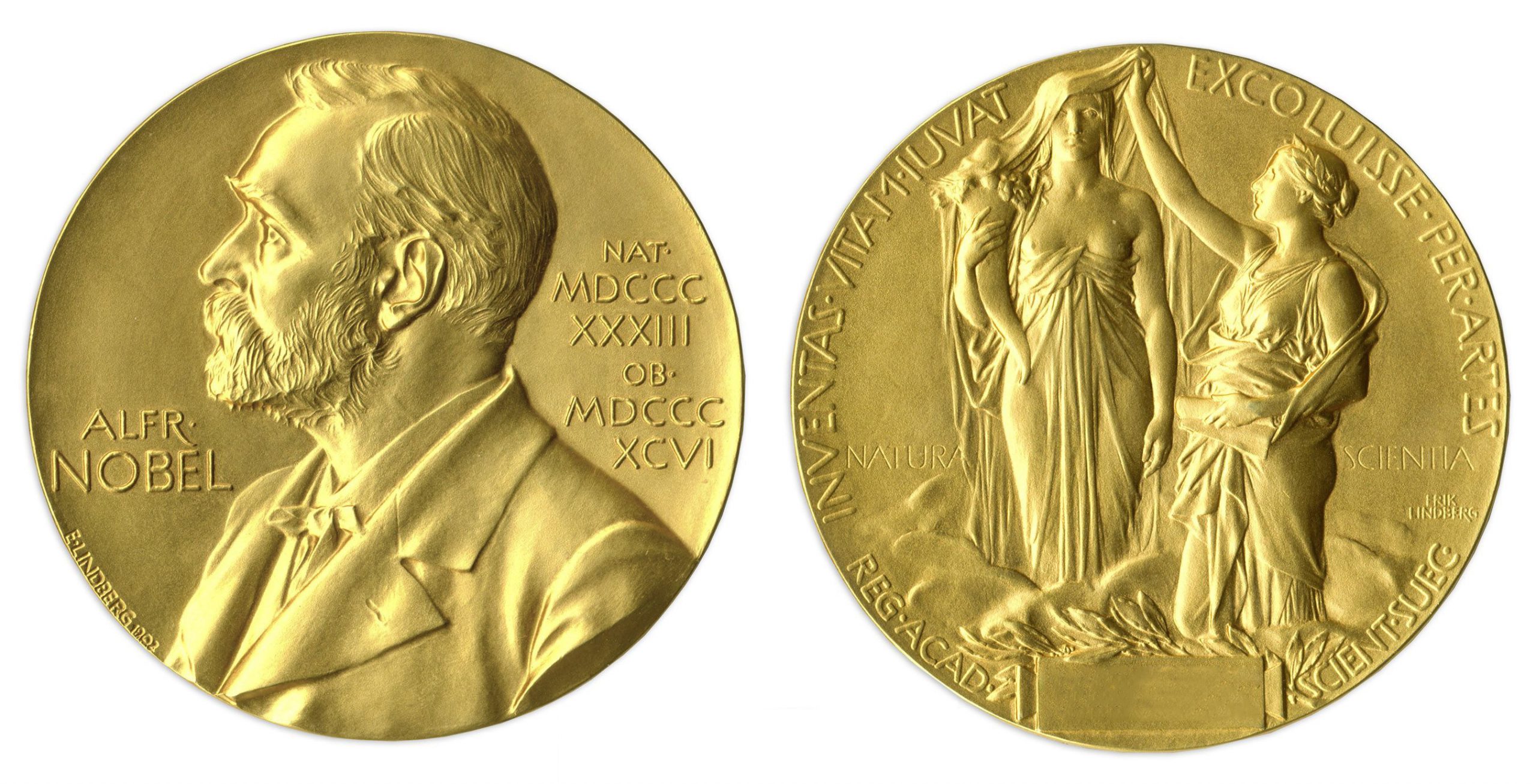
This year’s Nobel Prize in Physics was awarded to three brilliant researchers who worked out some of the secrets of black holes. Today we’re going to talk about the chain of discoveries that led to this award.
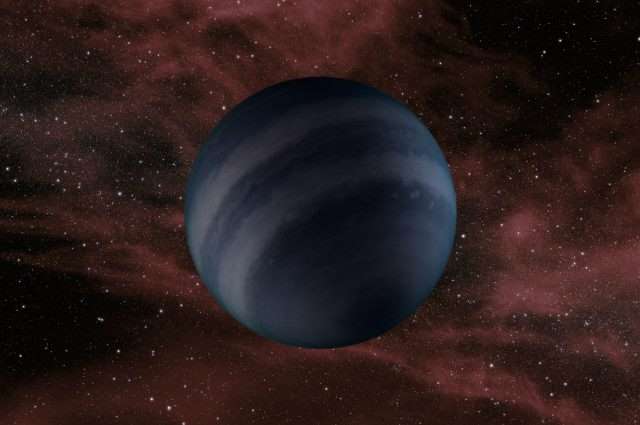
I’ve got some bad news for you: stars die. At some point in the next few billion years or so, our Sun is going to start heating up, using up all the fuel in its core, and then eventually die, becoming a white dwarf. It will then slowly cool down to the background temperature of the universe, becoming a black dwarf.
Last week we gave you an update on the formation of elements from the Big Bang and in main sequence stars like the Sun. This week, we wrap up with a bang, talking about the death of the most massive stars and how they seed the Universe with heavier elements.
The Universe started out with hydrogen and helium and a few other elements, but all around us, there are other, more proton-rich elements. We believe these heavier elements formed in stars, but which stars? And at what points in their lives? Today we’ll update our knowledge with the latest science.
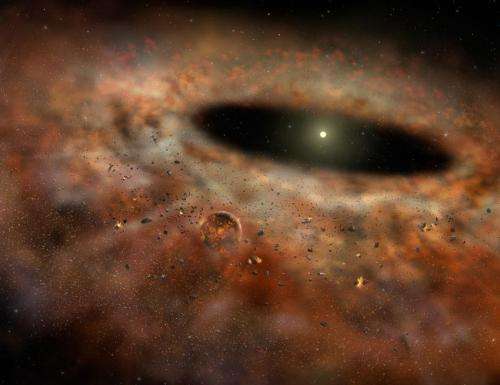
As astronomers started to discover planets orbiting other stars, they immediately realized that their expectations would need to be tossed out. Hot jupiters? Pulsars with planets? We’re now decades into this task, and the Universe is continuing to surprise us.
Relativity is used in more day to day situations than you may realize. In this episode, we will count (some of) the ways. This episode is brought to you live from the All-Stars Star Party in Indian Wells, California.
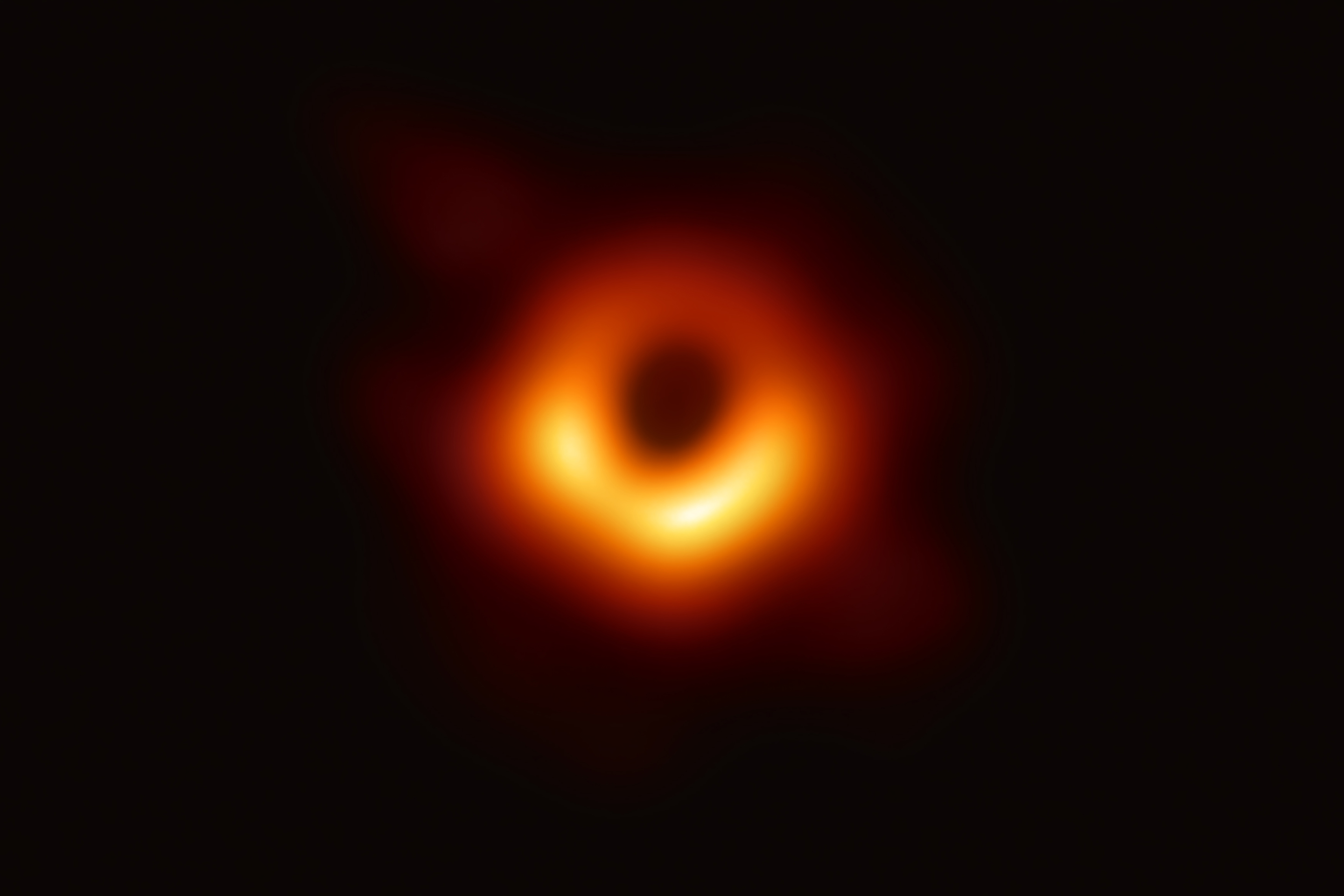
Today, of course, we’re going to talk about the announcement from the Event Horizon Telescope and the first photograph of a black hole’s event horizon.
Recorded during the Astrotour to Costa Rica, Fraser talks to Dr. Paul Matt Sutter about the nature of dust and BICEP 2’s claim of discovering primordial gravitational waves.
We always say the Universe is trying to kill us. But there was this one time, when the Universe used our own fear of nuclear attack against us, nearly setting off a global nuclear war. Nice try Universe, we’re on to you now.
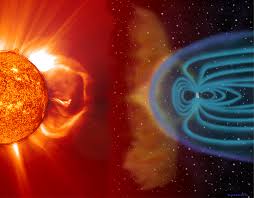
Space is a hostile environment in so many ways. But one of its worst features is the various kinds of radiation you can find. When astronauts go back beyond the protective environment of the Earth’s magnetosphere, what are the various kinds of radiation they’ll encounter. And is there anything we’ll be able to do about it?
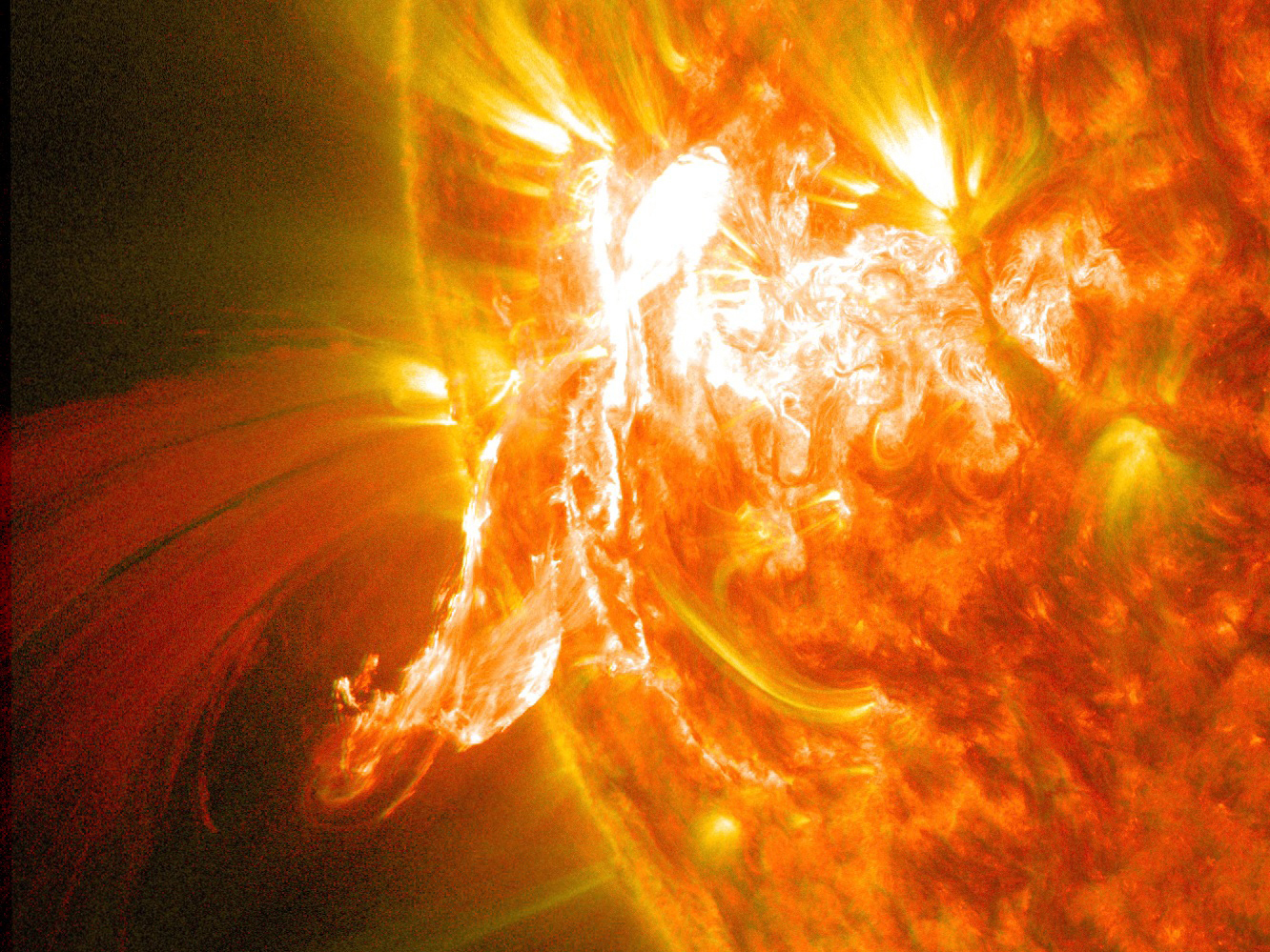
The Sun. It’s a big ball of fire, right? Apparently not. In fact, what’s going on inside of the Sun took us some time and knowledge of physics to finally figure out: stellar fusion. Let’s talk about the different kinds of fusion, and how we’re trying to adapt it to generate power here on Earth.
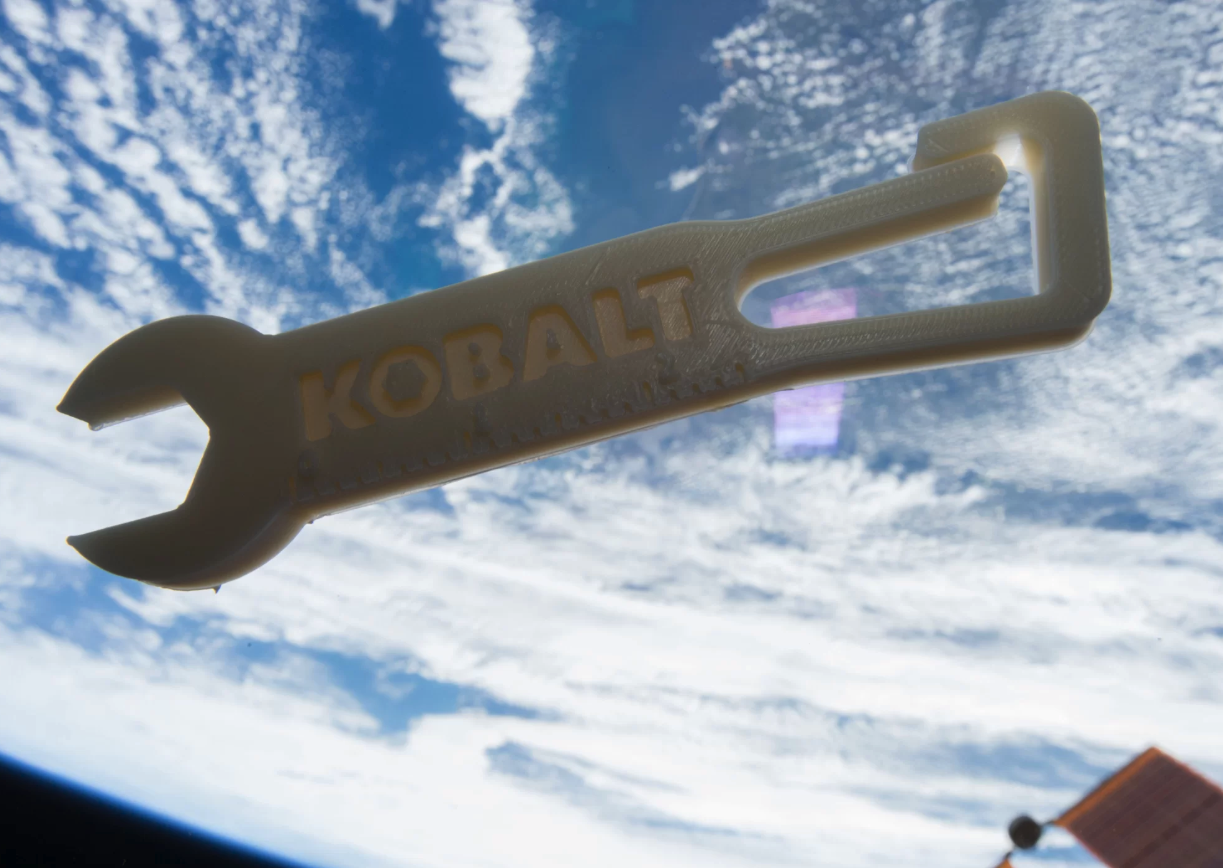
The technology of 3D printing is taking off. From tiny home-based 3D printers to larger manufacturing. And of course, 3D printing is going to space with the International Space Station and beyond.
The Earth looks like a perfect sphere, but down here on the surface we see that there are mountains, rivers, oceans, glaciers, all kinds of features with different densities and shapes. Scientists can map this produce a highly detailed gravity map of our planet. And it turns out, this is very useful for other worlds too.
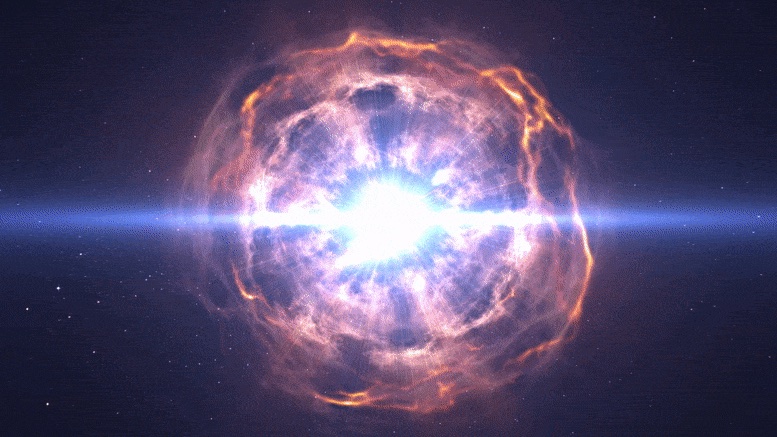
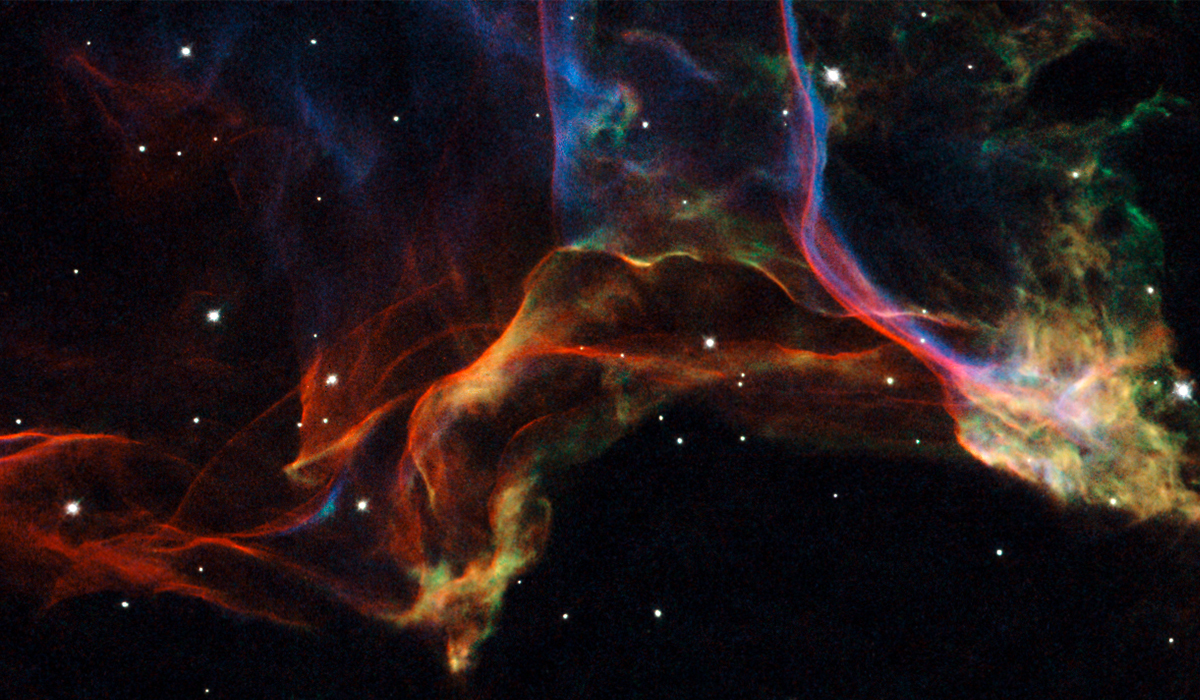
Time for another update, this time we’re going to look at what’s new with supernovae. And once again, we’ve got good news, lots of new stuff to report.